July 28, 2026
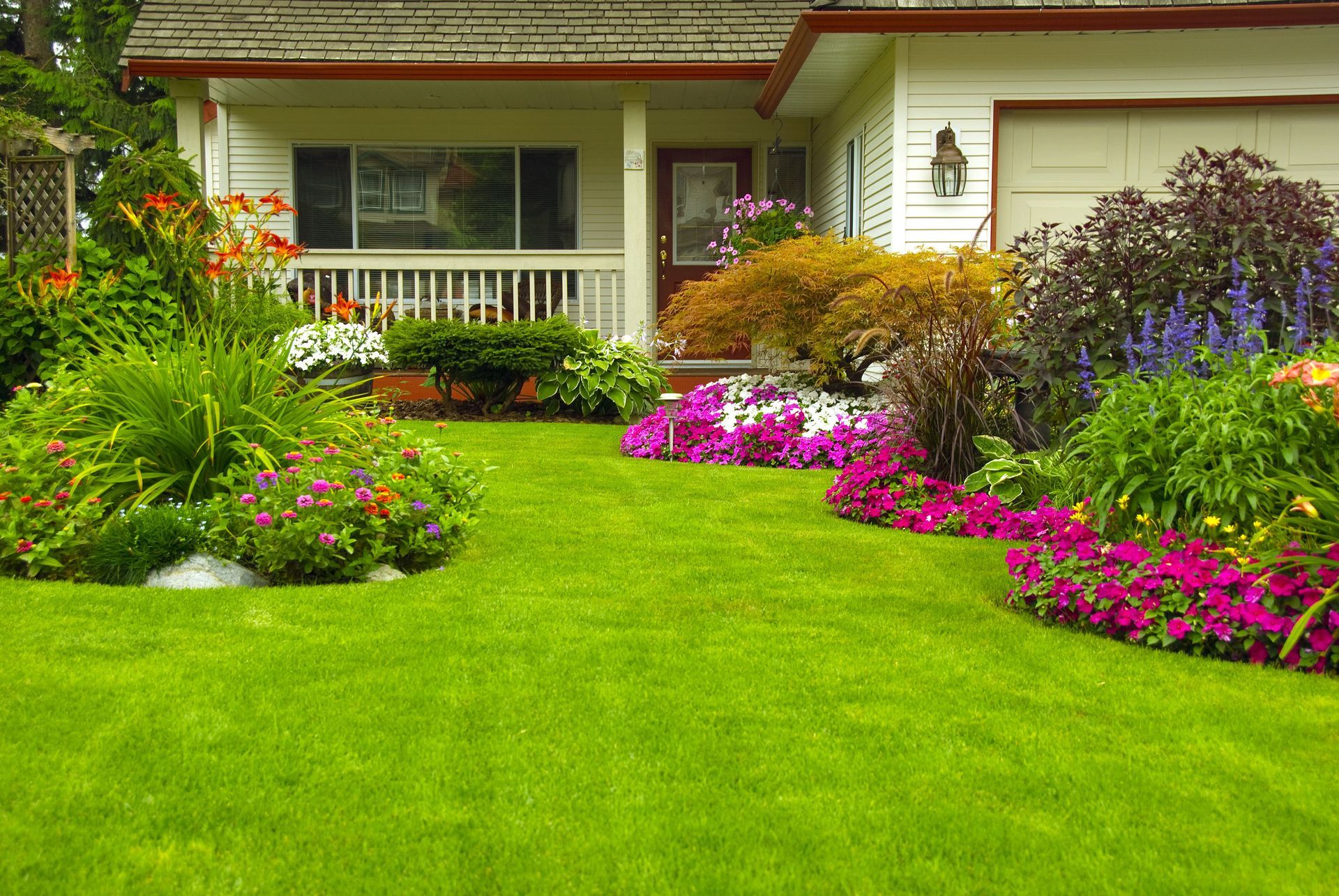
Creating a beautiful and functional outdoor living area can transform a property into a personalized oasis. For homeowners looking to elevate their exterior spaces, understanding the fundamental concepts of garden design is a crucial first step. A well-planned landscape not only improves curb appeal but also provides a serene environment for relaxation and entertainment. Whether you are dealing with a sprawling backyard or a compact urban courtyard, careful planning can help you maximize the potential of your property. By applying some core principles, anyone can craft a visually stunning and cohesive environment that perfectly complements their home and lifestyle.
Assessing Your Outdoor Space
Before purchasing plants or moving earth, take time to thoroughly evaluate the area you intend to transform. Consider the topography, existing structures, and how sunlight travels across the yard throughout the day. Paying attention to shady spots and sun-drenched zones will dictate where certain plants will thrive. Additionally, note the flow of wind and the natural drainage patterns of your yard, as these factors significantly influence your overall strategy. Effective garden design requires a deep understanding of these environmental elements to avoid costly mistakes and ensure long-term success. Spend a few days simply observing the space at different times to gather accurate insights. Think about how you and your family plan to use the area. Do you need an expansive lawn for children to play, or would you prefer intricate pathways winding through lush garden beds? Mapping out these desires alongside the physical realities of your lot lays a solid foundation. Sketching a rough layout can also help you visualize the potential transformations and guide your future decisions with greater clarity and purpose.
Understanding Your Soil Composition
The health of your plants relies heavily on the quality and composition of the dirt they grow in. Take a sample of your earth to determine its texture, acidity level, and nutrient profile. Whether you have sandy, clay-heavy, or loamy earth will dictate the types of amendments required to create an optimal growing environment. Improving your soil through the addition of organic matter like compost can dramatically increase water retention and nutrient availability. A successful garden design integrates plants that are well-suited to the natural conditions while actively working to improve the overall health of the ground. Proper preparation ensures that roots can penetrate deeply and access the hydration they require to flourish. Overlooking this vital step often leads to struggling foliage and endless frustration. By investing time in preparing the planting beds, you create a resilient ecosystem that supports robust growth year after year. Always remember that healthy dirt is the literal bedrock of any thriving landscape, setting the stage for vibrant blossoms and verdant leaves to emerge.
Choosing the Right Plants
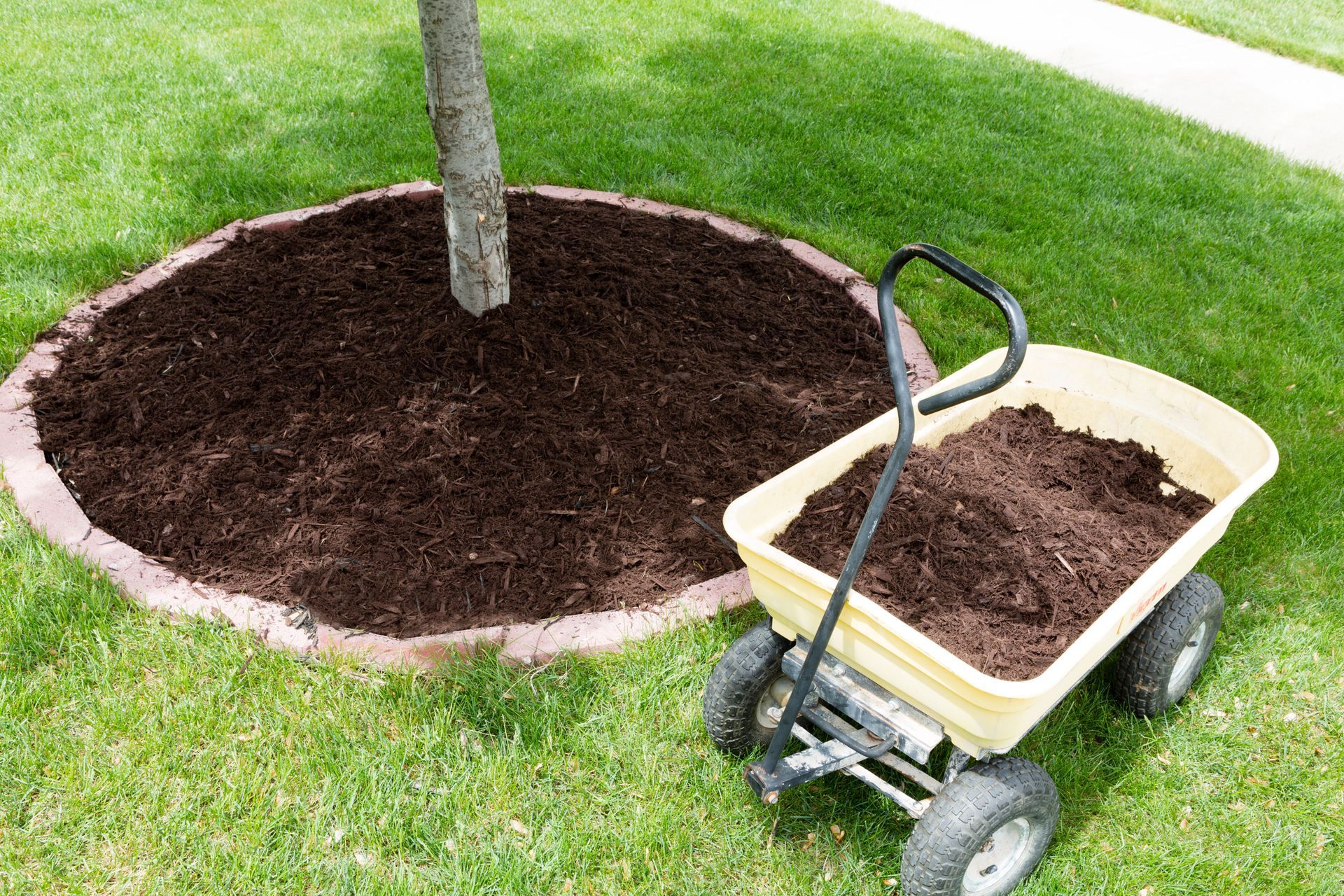
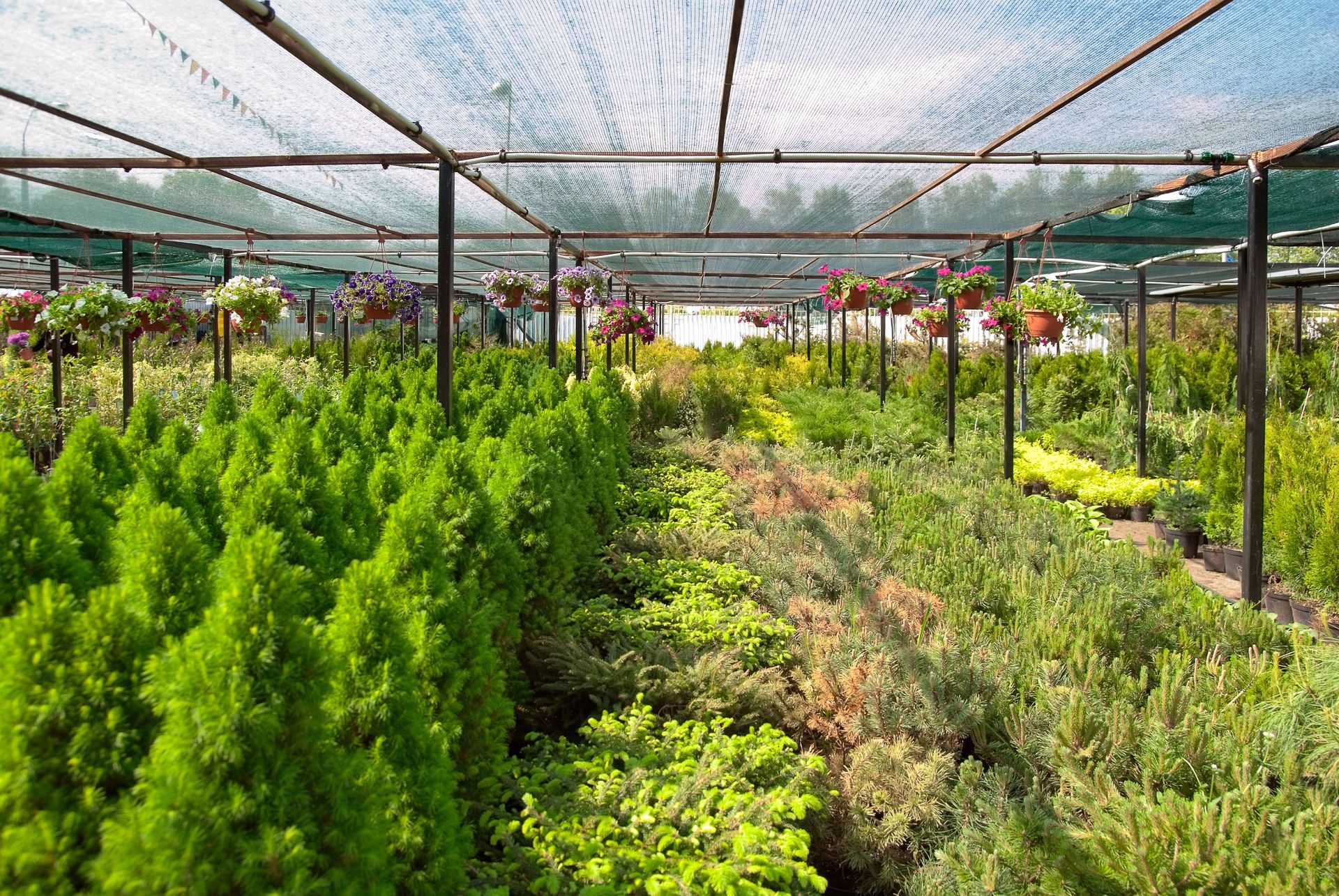
Selecting foliage and flowers is arguably the most exciting part of the process, but it requires careful consideration. Native species are often an excellent choice because they are already adapted to the local climate and typically require less water and maintenance. When arranging your selections, consider their mature height and spread to prevent overcrowding as they grow. Layering plants by placing taller species in the back and shorter groundcovers in the front creates a sense of depth and dimension. Additionally, pay attention to blooming cycles to ensure continuous color and interest throughout the changing seasons. Proper planting techniques are just as important as the selection process itself. According to This Old House, when planting a tree, you should apply a three-inch layer of bark mulch around the surrounding soil, but leave space around the trunk to reduce the risk of excess moisture and rot. Thoughtful garden design marries aesthetic preferences with practical horticultural practices. By matching the right plant to the right location, you minimize stress on the vegetation and foster a thriving, vibrant environment.
Incorporating Hardscape Elements
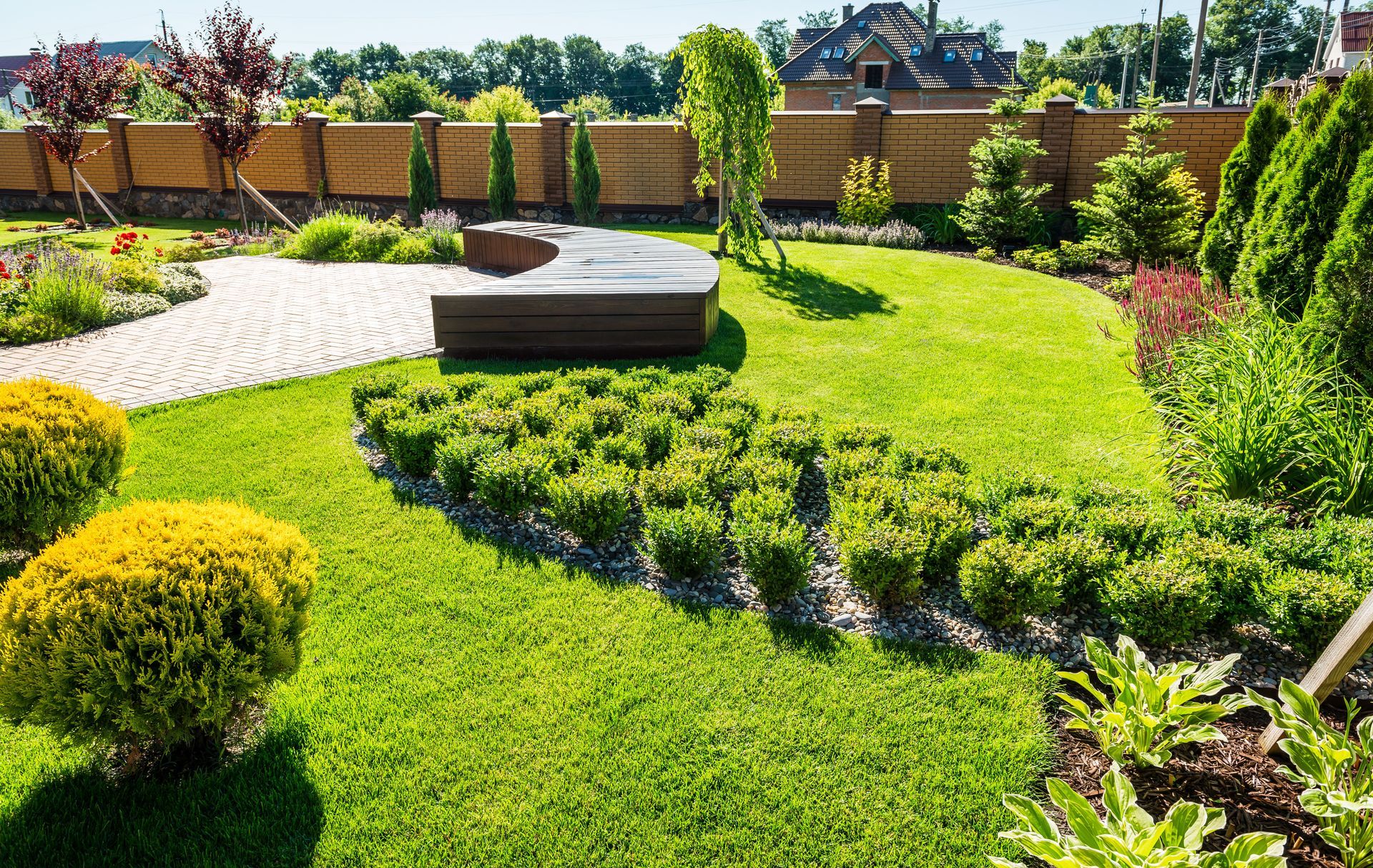
While flowers and shrubs often take center stage, the non-living elements of your yard are equally vital to a cohesive layout. Hardscaping includes features such as stone pathways, wooden decks, retaining walls, and patios. These structures provide essential framework and organization to the outdoor area, guiding movement and establishing distinct zones for various activities. A winding brick path might lead guests to a secluded seating area, while a sturdy retaining wall can tame a steep slope and create usable planting terraces. When planning these elements, choose materials that complement the architectural style of your home for a seamless transition between the indoors and the outdoors. Balancing the soft, organic textures of vegetation with the solid, permanent nature of hardscaping is a hallmark of excellent garden design. Furthermore, these structural additions can enhance accessibility, ensuring that your yard remains a welcoming space for all visitors. Properly installed hardscaping withstands the elements and serves as the enduring backbone of your entire landscape strategy, bringing structure and lasting value to your home.
Establishing Visual Focal Points
Every captivating landscape needs elements that immediately draw the eye and anchor the visual experience. Focal points can be anything from a striking water feature or a piece of outdoor sculpture to an exceptionally vibrant Japanese maple or a cozy fire pit. These features give the eye a place to rest and provide a sense of order amid the natural wildness of the flora. When deciding where to place these highlights, consider the primary viewing angles from both inside your house and various locations around the yard. Strategic placement can make a small yard feel more expansive or bring intimacy to a vast, open lawn. A well-executed garden design utilizes focal points to create a journey, encouraging visitors to explore different sections of the property. Be careful not to clutter the space with too many competing elements; a few carefully chosen highlights are far more effective than a scattered collection. By thoughtfully directing attention, you create a harmonious and engaging outdoor room that feels both dynamic and restful.
Planning for Ongoing Maintenance
A beautiful landscape is never truly finished; it is a living, evolving entity that requires consistent care. When establishing your initial plans, realistically assess the amount of time and effort you are willing to dedicate to upkeep. If you prefer to spend your weekends relaxing rather than weeding and pruning, lean heavily toward low-maintenance groundcovers, drought-tolerant perennials, and automated irrigation systems. Conversely, if you enjoy hands-on horticulture, you might incorporate intricate flower beds or a robust vegetable patch. Good garden design anticipates the future needs of the space, ensuring that the layout remains manageable over time. Grouping plants with similar watering and sunlight requirements together can significantly streamline your chores. Furthermore, allowing adequate space between planting beds and lawn areas makes mowing and edging much simpler. By anticipating the practical realities of yard care during the conceptual phase, you prevent your outdoor sanctuary from becoming a burdensome chore, ensuring it remains a source of joy and tranquility for years to come.
Transforming your outdoor space into a personal retreat is an incredibly rewarding endeavor that adds significant value to your home and your quality of life. By carefully evaluating your property, understanding your earth, selecting appropriate flora, and balancing soft and hard elements, you can achieve a spectacular outcome. Bringing these concepts to life sometimes requires a bit of professional guidance to reach its full potential. If you are ready to elevate your exterior landscape and need expert assistance, the professionals are here to help. Call Trees 'N' Scapes, Inc. today to learn more and start creating the outdoor sanctuary you have always envisioned.