October 16, 2026
Local trees are an integral part of ecosystems, communities, and the environment at large. They provide countless benefits ranging from ecological support to cultural significance, making their preservation vitally important. Despite their importance, local trees face numerous threats, including deforestation, urban expansion, and climate change. Maintaining and preserving our local trees should be a top priority as communities address environmental concerns, enhance biodiversity, and safeguard essential ecosystem services for future generations. Understanding the multifaceted importance of local trees offers a comprehensive appreciation of their role in our world.
Preserving Ecological Harmony Through Native Vegetation
Trees serve as vital habitats and food sources for a diverse array of native wildlife. Their branches provide nesting sites for birds, while their fruits and leaves serve as nourishment for various mammal and insect species. The protection and expansion of local trees are crucial for maintaining the biodiversity of these ecosystems. Without trees, many native wildlife species would be displaced, leading to a decline in biodiversity and ecosystem instability. Supporting local trees equates directly to nurturing the rich tapestry of life they sustain across diverse environments.
The interconnectedness of the flora and fauna supported by trees contributes to a balanced ecosystem. Predators, prey, decomposers, and pollinators all rely on the structured environments that tree populations afford. By providing food, shelter, and a suitable microhabitat, trees help maintain a balanced food web and contribute to ecological harmony. Ecosystems with rich tree diversity demonstrate greater resilience against external pressures such as pests, disease outbreaks, and severe weather events. Preserving local trees plays a crucial role in maintaining ecological balance and long-term environmental resilience.
The absence of local trees could lead to a cascading effect where the loss of one key species triggers the decline of others throughout the habitat. This vulnerability is particularly evident in species that rely on continuous forest corridors for seasonal migration and breeding. The preservation of local trees ensures the survival of keystone species, which in turn supports the entire ecosystem structure. Preserving native vegetation enriches regional biodiversity, enhances systemic resilience, and maintains the primary ecological functions that are critical for sustaining animal and plant life.
Regulating Regional Climate and Soil Systems
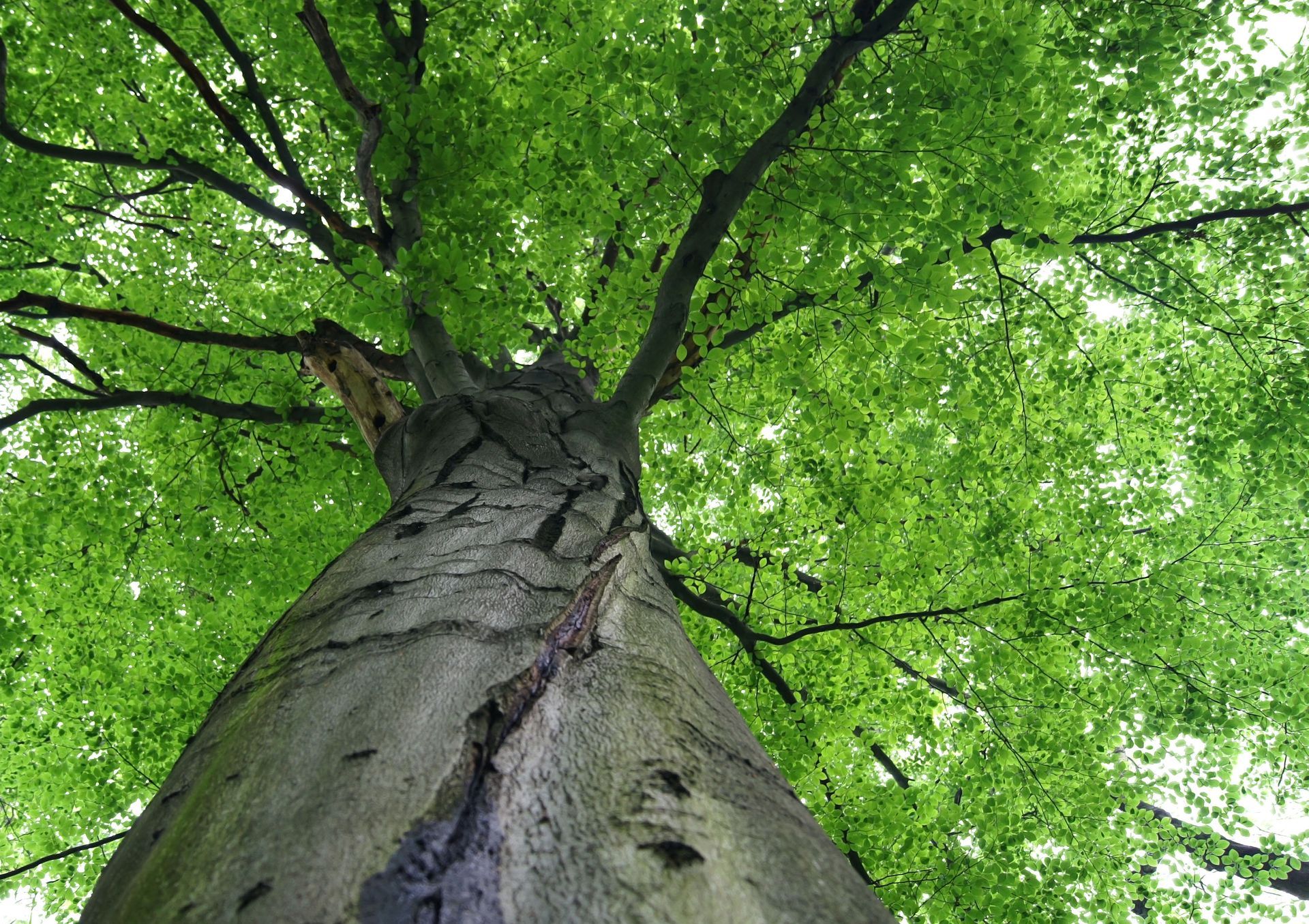
Local trees play a pivotal role in shaping microclimates by regulating ambient temperature and moisture conditions. They act as natural air conditioners, cooling the environment and reducing ambient heat through evapotranspiration, where water is drawn from the soil and evaporated through leaf surfaces. This action moderates regional climates while actively mitigating the urban heat island effect prevalent in developed areas. Neighborhoods with abundant green coverage demonstrate significantly cooler summer temperatures, contributing to more comfortable living conditions, reduced energy demands, and improved overall public health outcomes.
Tree root systems play a vital role in soil stabilization and preventing long-term erosion. By anchoring topsoil layers, deep roots hold the ground in place and mitigate the destructive effects of wind and heavy rainfall runoff. Soil-bound roots also facilitate the natural infiltration of rainwater, reducing surface runoff that causes nutrient stripping and land degradation. This natural mechanism is crucial in both undisturbed natural landscapes and agricultural environments where soil conservation remains vital for sustainable land productivity and healthy crop yields.
Through photosynthesis and transpiration, local trees pull moisture from the ground and release water vapor into the atmosphere, directly regulating precipitation patterns. This continuous process recharges local groundwater reserves and maintains stream flows during drier periods. According to Grand View Research, the U.S. accounted for 39% to 47.5% of the global landscaping services market, reflecting a major national emphasis on managing and maintaining green infrastructure. Protecting native tree canopy ensures that natural hydrological processes remain functional, reducing flood risks and stabilizing freshwater resources across rural and urban watersheds alike.
Mitigating Environmental Impacts of Canopy Loss
Deforestation and urban clear-cutting significantly contribute to the escalation of atmospheric greenhouse gases, accelerating climate disruptions. Trees capture and store carbon dioxide throughout their lifespan, serving as vital terrestrial carbon sinks. When local trees are removed or destroyed, their stored carbon is released back into the atmosphere, compounding atmospheric warming. Protecting standing trees avoids carbon release while ensuring continuous sequestration, making tree preservation one of the most cost-effective and efficient strategies for counteracting global greenhouse emissions and stabilizing atmospheric temperatures.
The loss of natural tree cover impairs natural water filtration systems, leading to severe water quality deterioration in nearby streams and lakes. Forested areas trap sediments, heavy metals, excess nitrogen, and chemical runoff before these pollutants can reach aquatic environments. Removing local trees increases surface runoff volume and speed, carrying unfiltered pollutants directly into waterways. This increase in sediment turbidity and nutrient loading stresses aquatic organisms, triggers harmful algal blooms, and compromises drinking water sources, demonstrating the direct link between tree preservation and freshwater quality.
When tree canopy is lost, natural ecosystems suffer severe fragmentation that threatens wildlife survival. Isolated forest patches prevent natural animal movement, restricting gene flow and leaving populations vulnerable to localized extinction. Furthermore, disturbed and cleared land creates ideal conditions for aggressive invasive plant species to establish, further suppressing native flora regeneration. Rebuilding and protecting continuous corridors of local trees preserves ecological connectivity, strengthens natural defenses against pest infestations, and ensures that ecosystems retain their natural capacity to self-repair following environmental stress.
Sustaining Cultural Identity and Historical Roots
Local trees often serve as historical landmarks, evoking community identity and preserving stories from the past. These landmark specimens have witnessed generations of human history, acting as silent sentinels through centuries of societal changes. In many regions, ancient trees are central to local heritage, forming a tangible connection to historical events, founding settlements, and cherished community traditions. As living historical symbols, these trees enrich neighborhood narratives, fostering deeper cultural awareness, historical pride, and environmental appreciation among long-time residents and visitors alike.
Beyond historical associations, mature local trees hold immense cultural significance for communities, defining the aesthetic character of neighborhoods, parks, and public spaces. They offer peaceful recreational spaces that promote physical exercise, mental well-being, and social interaction. Studies consistently show that access to tree-lined streets and wooded green spaces reduces stress, lowers blood pressure, and improves overall psychological well-being. Preserving historic and mature trees ensures that future generations continue to enjoy these profound health, cultural, and recreational benefits within their local communities.
Fostering Sustainable Stewardship for Tomorrow
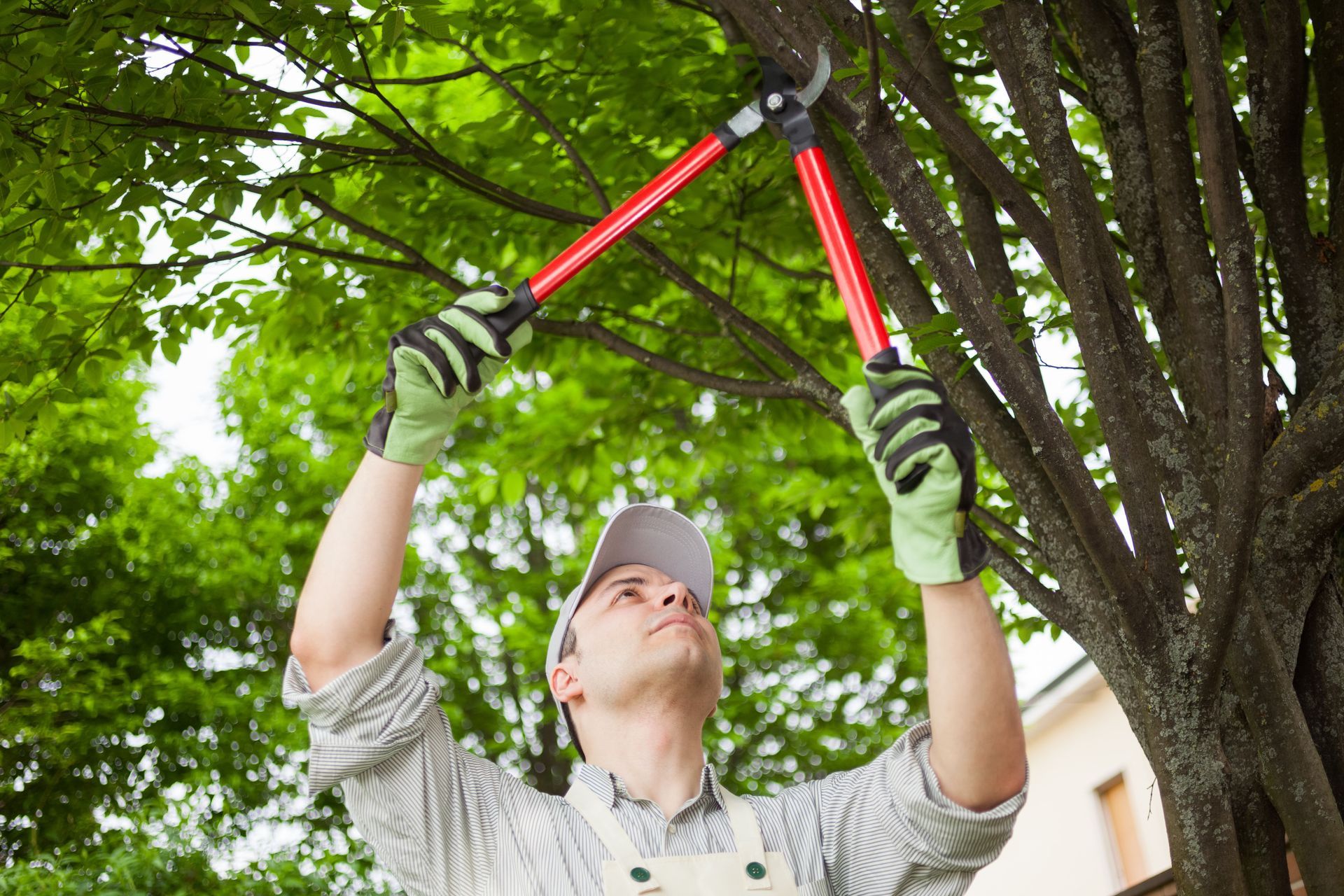
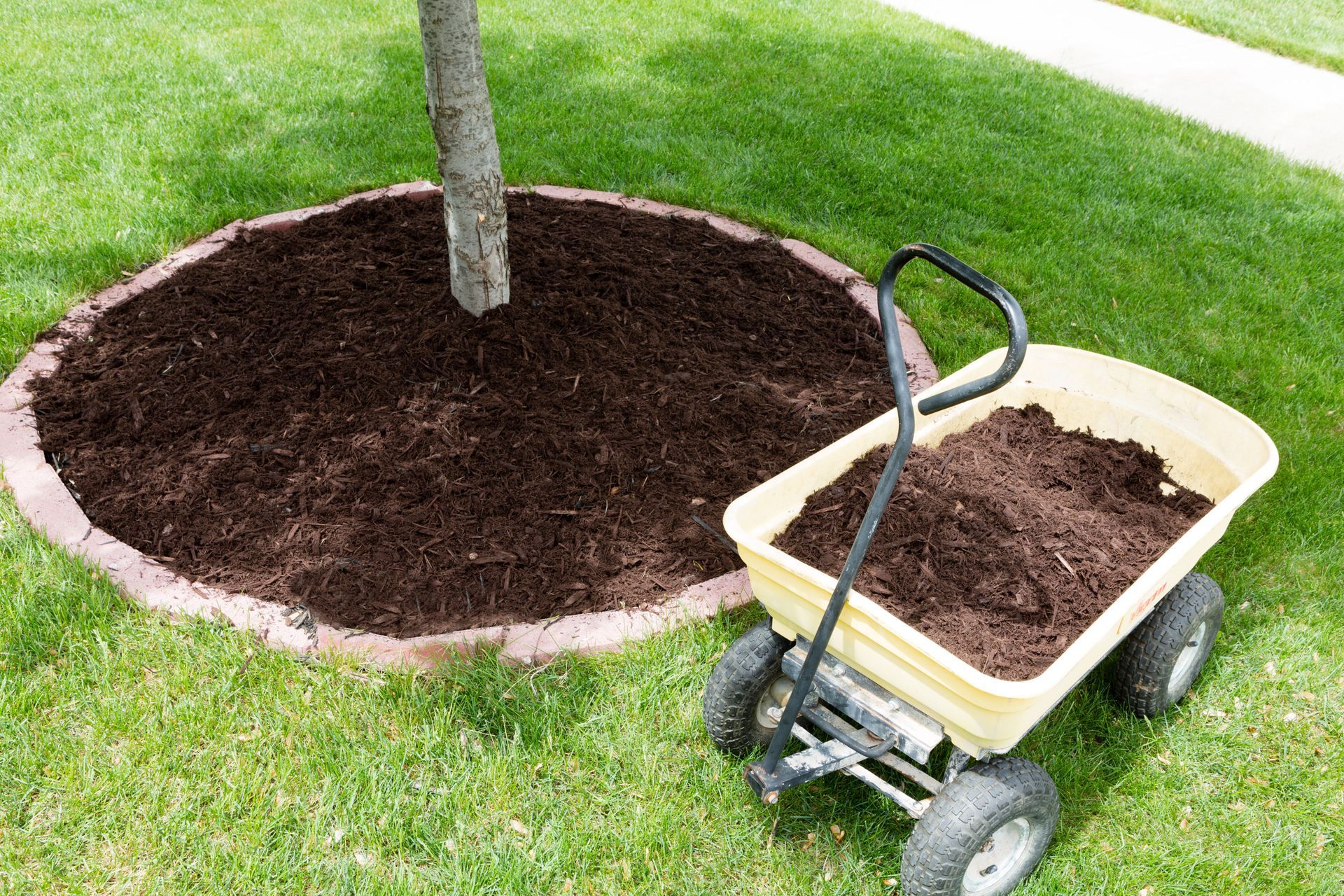
Achieving long-term tree preservation requires actionable stewardship strategies implemented at individual, municipal, and regional levels. Planting native local trees in residential yards and commercial properties creates vital stepping stones for urban wildlife while expanding neighborhood canopy cover. Proper maintenance, including routine pruning, root zone protection, and soil care, ensures that newly planted and existing trees reach maturity safely. By selecting native species adapted to local soil conditions and regional climate patterns, property owners maximize growth success while minimizing artificial irrigation and fertilizer requirements.
Municipal policies and community zoning regulations play an equally critical role in safeguarding existing tree canopy during urban development. Forward-thinking urban forestry management plans incorporate tree protection ordinances, mandatory replacement ratios for removed trees, and protected greenways within commercial zones. Integrating green infrastructure into city planning prevents excessive canopy loss, limits urban heat accumulation, and protects stormwater management systems. Collaborative efforts between local government agencies, property developers, and environmental advocates ensure that economic development occurs without sacrificing vital natural resources.
Broad public education and volunteer involvement represent the cornerstone of lasting environmental conservation. Educational programs in schools and community centers teach the ecological value of local trees, empowering residents to participate in tree planting events, invasive species removal, and neighborhood canopy surveys. Sustainable stewardship rests on the collective understanding that every tree contributes to regional health, economic stability, and environmental resilience. For more information about the services that we offer, reach out to our incredible team at Trees 'N' Scapes, Inc today!