October 1, 2026
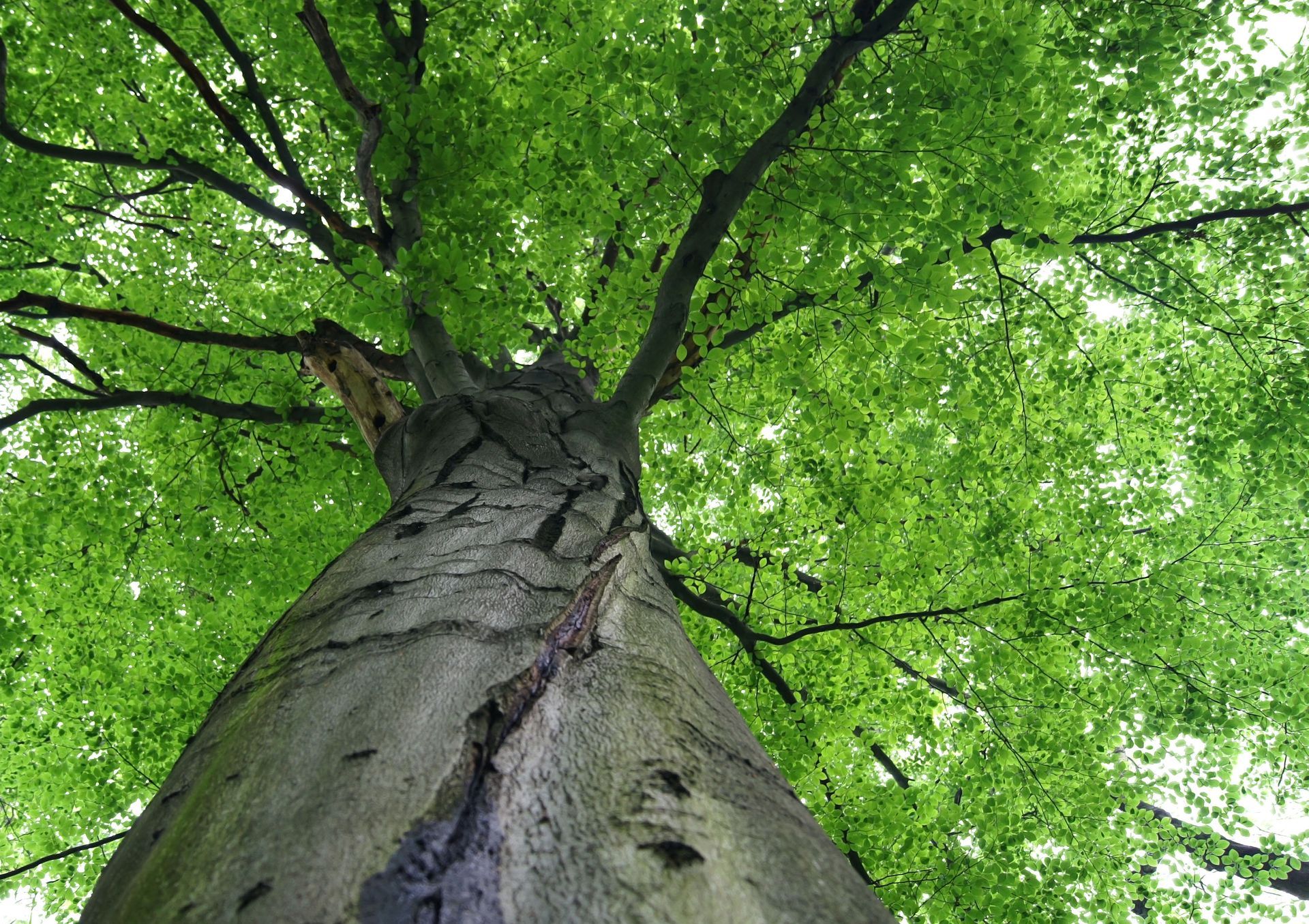
Shade trees are a staple in landscaping for expansive residential spaces, offering far more than just a brief respite from the blazing sun. They create a cohesive blend of form and function, contributing equally to the structural beauty and environmental health of open outdoor spaces. Incorporating these majestic living structures allows property owners to optimize vast open lawns while actively cultivating a healthier local ecosystem. The unique stature of these specimens enables them to provide sweeping canopy coverage that visually anchors a property and unifies disparate elements of the landscape.
Beyond their immediate visual presence, towering specimens support a multitude of crucial ecological functions that continuously enrich their surrounding environment. Understanding these expansive canopy benefits helps property owners make truly informed choices when designing, planting, and maintaining extensive residential grounds. Strategic choices made during the initial layout process pay exponential dividends over time, ensuring the property evolves into a resilient, self-sustaining sanctuary.
Expanding Canopy Coverage for Environmental Health
Landscaping with shade trees plays an irreplaceable role in mitigating ambient temperatures across open terrain, serving as a critical buffer against localized microclimate warming. Through a natural process known as evapotranspiration, dense foliage releases steady moisture into the surrounding air to drop ambient temperatures efficiently across several acres. This natural cooling mechanism significantly reduces reliance on energy-consuming household air conditioning systems during peak summer months. Moreover, shade trees contribute significantly to air purification by absorbing pollutants and releasing oxygen, thus improving overall air quality. According to Lawn Love, strategically planting these trees at least 20 to 30 feet from foundations ensures they do not interfere with structures while optimizing these environmental benefits.
The expansive umbrella formed by a mature canopy shields delicate topsoil from intense solar radiation, drastically minimizing the thermal heat island effect often found in wide, unshaded yards. By maintaining lower soil temperatures and reducing surface evaporation, these plantings preserve vital ground moisture and lower the need for constant supplemental irrigation. This conservation of water resources is especially vital for properties located within regions prone to extended summer droughts. Furthermore, the massive biomass of a fully grown specimen serves as a highly effective carbon sink, capturing atmospheric carbon dioxide and transforming it into vital oxygen through photosynthesis. Over decades of growth, this continuous carbon capture provides a reliable countermeasure to surrounding environmental emissions.
Maximizing Habitat Dynamics and Soil Stability
An expansive branch structure creates an essential ecological sanctuary, offering secure nesting sites, shelter, and reliable food sources for a vast array of native wildlife. Birds, beneficial insects, and small mammals utilize the dense upper foliage as a primary refuge from predators and extreme weather conditions. Boosting local biodiversity in this manner enriches the natural atmosphere of the property while establishing a self-regulating ecosystem that inherently manages common garden pests. The complex biological interactions taking place within the upper canopy directly support natural pollination, ensuring that neighboring flowering plants, shrub borders, and vegetable gardens flourish with minimal chemical intervention.
Below the surface, the extensive subterranean root network of shade trees acts as a natural structural anchor that binds soil particles firmly together. This complex underground framework effectively halts severe surface erosion, preventing precious topsoil and vital organic nutrients from washing away during heavy rainstorms. On sloped or rolling terrain, these deep networks prove indispensable for stabilizing grades and preventing sudden land movement. Additionally, the organic leaf litter produced each autumn breaks down naturally over time to form a rich layer of organic mulch. This biological decomposition enriches the surrounding soil profile with slow-release nutrients, fostering an exceptionally fertile ground capable of supporting diverse plant communities.
Enhancing Visual Scale and Property Functionality
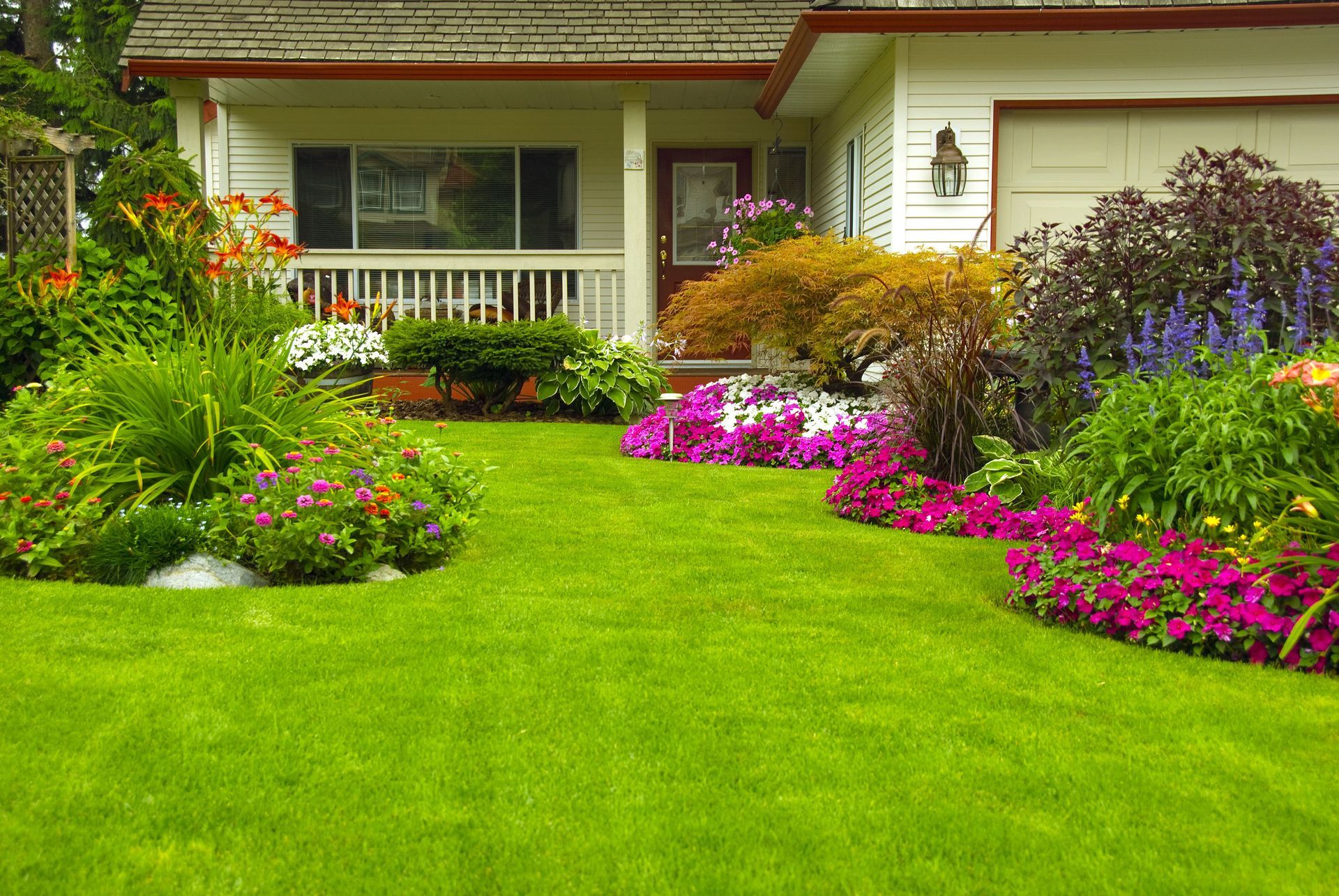
From an architectural standpoint, shade trees establish an indispensable sense of proportion and balance within sweeping residential landscapes that might otherwise feel empty. Their majestic silhouettes, seasonal leaf variations, and dramatic floral displays create striking natural focal points that draw the eye across the property. A thoughtfully placed specimen anchors the overarching garden design, establishing smooth visual transitions between the built home, open lawns, and outer boundary lines. Year after year, the dynamic metamorphosis from spring blooms and deep summer greens to brilliant autumn foliage ensures that the outdoor space remains visually captivating through every season.
Beyond pure aesthetics, the expansive foliage of shade trees functions as a living architectural element that divides large properties into functional outdoor living zones. Broad canopies naturally form cool, sheltered outdoor rooms beneath their branches, ideal for placing seating areas, quiet reading nooks, or outdoor recreational spaces. This natural overhead cover blocks harsh overhead glare, transforming hot summer lawns into comfortable venues for afternoon gatherings and family recreation. Additionally, the dense branch structures serve as effective acoustic and visual buffers, absorbing surrounding noise pollution from nearby roads while screening the property from neighboring vantage points.
Evaluating Suitable Species for Generous Spaces
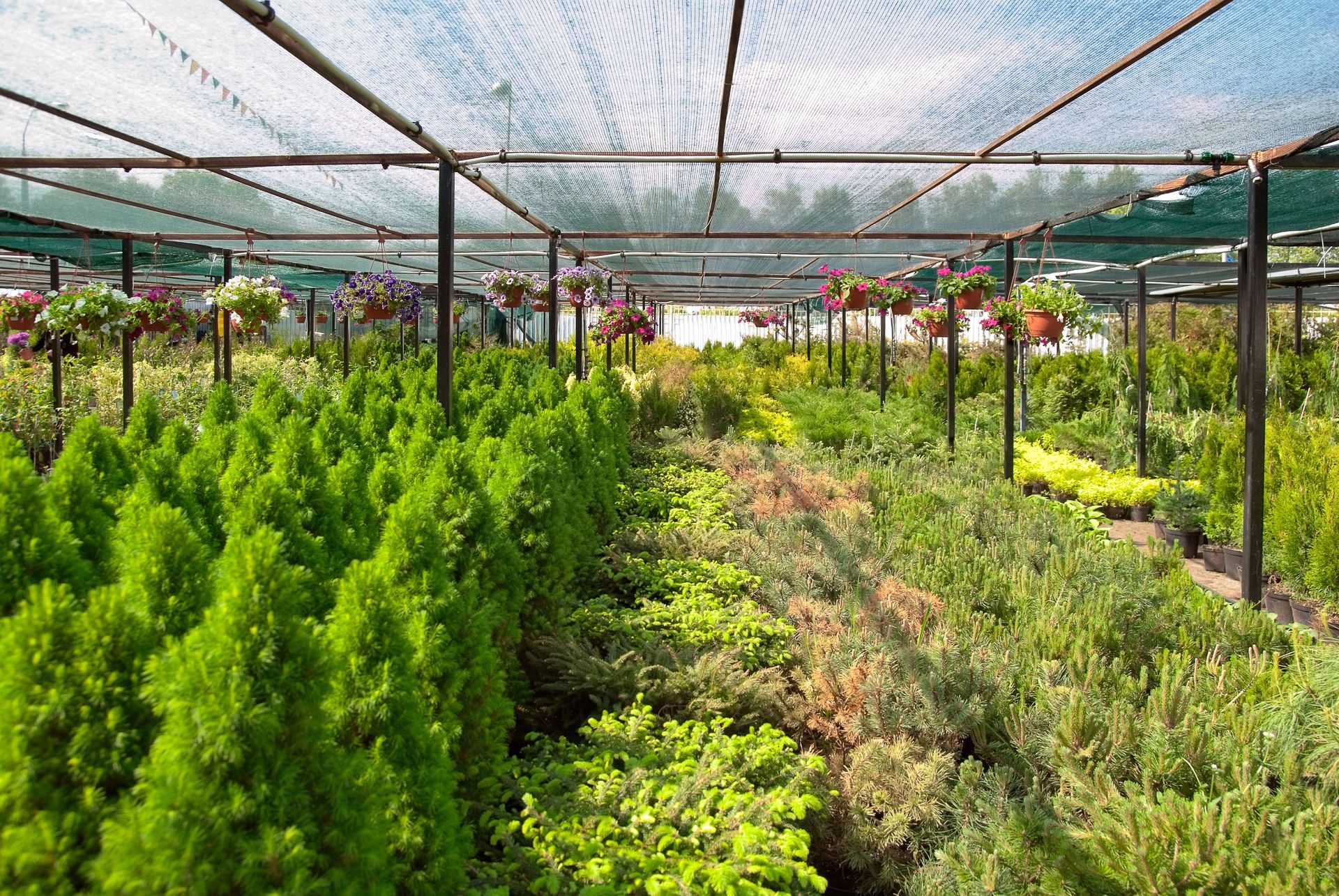
Selecting appropriate species requires evaluating the specific growth habits, mature dimensions, and seasonal traits that match the long-term goals of the property. Deciduous options such as oaks, maples, and elms are traditional choices due to their structural adaptability and brilliant seasonal shifts. These broadleaf varieties cast dense, refreshing shade throughout the hot summer months, yet drop their leaves during winter to allow warm sunlight to reach the home. When positioning broadleaf selections, respecting proper clearance distances ensures the roots have ample room to expand without encroaching on paved driveways or underground utility lines.
Conversely, evergreen varieties like majestic pines, spruces, and cedars maintain continuous foliage and vibrant color throughout all twelve months of the year. Utilizing evergreens alongside shade trees creates a multi-layered landscape that maintains visual interest even during the coldest winter periods. These needle-bearing giants excel at serving as permanent windbreaks along property borders, deflecting cold winter gusts to improve household energy efficiency. Furthermore, combining fruit-bearing or flowering canopy varieties with standard evergreen and deciduous stock creates a rich tapestry of textures, aromas, and visual dimensions across the estate.
Managing Long-Term Growth and Structural Health
Sustaining the vigor and structural integrity of large canopy specimens over several decades requires systematic long-term oversight and preventive care. Regular professional structural inspections help identify weak branch attachments, co-dominant trunks, or early signs of fungal decay before they pose safety risks. Scheduled corrective pruning removes dead, diseased, or rubbing branches, promoting balanced growth while allowing light and airflow to penetrate the inner canopy. Ensuring proper air circulation through the upper branches minimizes humidity buildup, effectively preventing common foliar diseases from taking root.
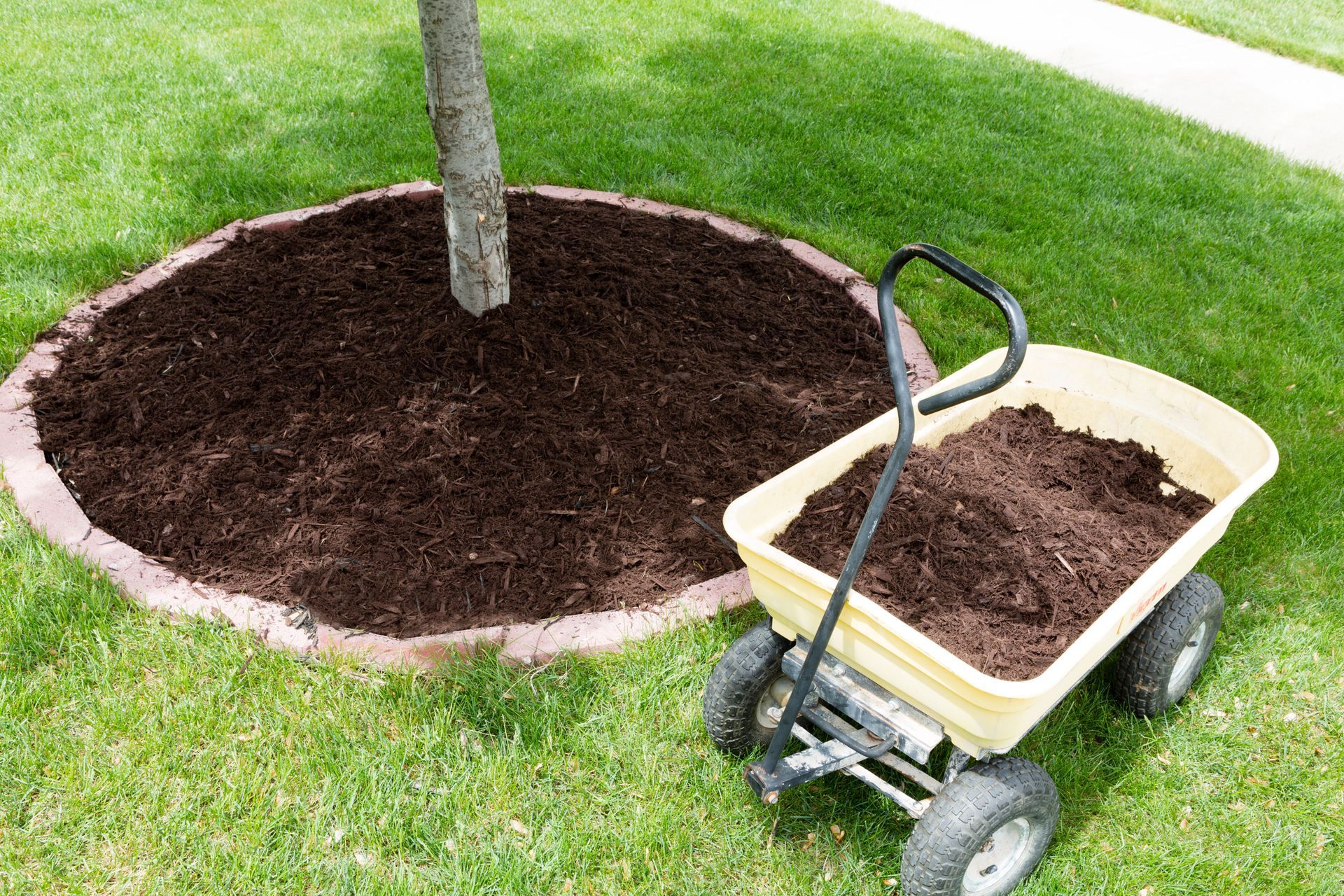
Proper soil management is equally vital for sustaining long-term health, particularly across heavily trafficked residential lawns where soil compaction can suffocate fine feeder roots. Applying a thick layer of organic mulch around the root zone helps retain consistent moisture, regulates subterranean temperatures, and protects vulnerable surface roots from lawn mower damage. Deep-root watering during extended dry spells ensures that moisture reaches the lowest root zones, encouraging deep root penetration rather than shallow surface growth. Through consistent monitoring, deep-root fertilization, and proactive pest management, large canopy specimens can safely thrive for generations.
Transforming Estates through Strategic Canopy Planning
Incorporating mature canopy specimens into an expansive property design is one of the most impactful choices a homeowner can make for long-term ecological balance and aesthetic elegance. These living investments continually enhance the character of a home, delivering tangible environmental cooling, improved air quality, and rich wildlife habitats that evolve gracefully across the decades. By selecting appropriate species, honoring necessary physical spatial requirements, and committing to proactive canopy maintenance, property owners cultivate a resilient outdoor haven that offers endless comfort, quiet sanctuary, and natural beauty.
For homeowners ready to elevate their outdoor spaces into extraordinary green sanctuaries, partnering with trained landscaping professionals ensures every specimen is chosen, placed, and cared for with absolute precision. Contact the experienced landscape design team at Trees 'N' Scapes, Inc today to schedule a comprehensive property consultation and begin crafting a tailored long-term strategy for your grounds. Our dedicated specialists will help you select and position the ideal
shade trees to maximize shade, privacy, and environmental vitality across your property for generations to come.