November 3, 2026
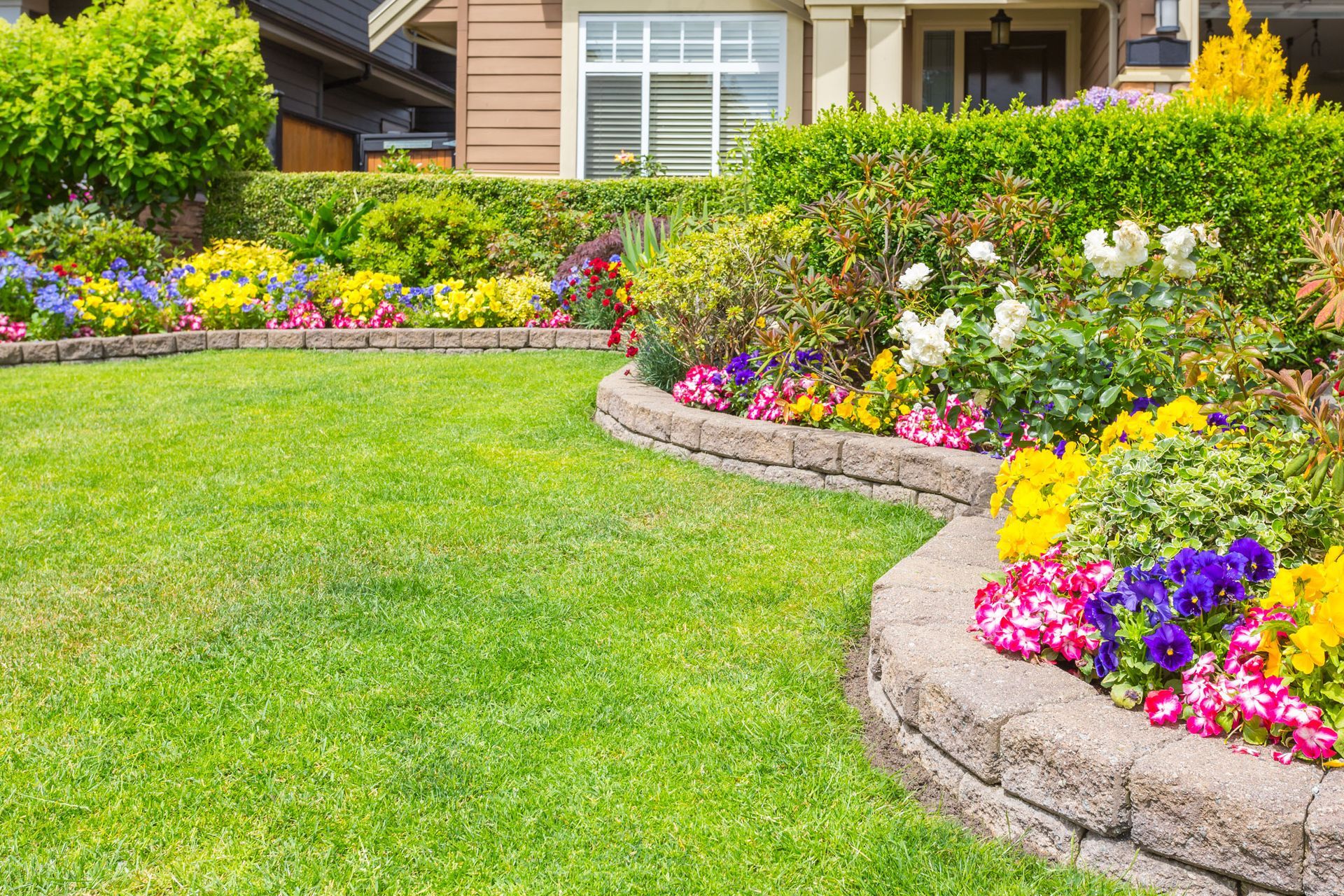
Your home's exterior creates the first impression visitors, neighbors, and potential buyers have of your property. While the condition of your siding, roof, and driveway all contribute to its appearance, the surrounding yard plays an equally important role. Thoughtful landscape design can transform an ordinary exterior into an inviting, attractive space that complements your home's architectural style and makes the entire property feel more polished. From colorful flower beds and carefully placed trees to attractive walkways and well-maintained lawns, the right improvements can make a noticeable difference without requiring a complete exterior renovation.
Beyond aesthetics, landscaping can improve functionality, establish a sense of privacy, and potentially increase property value. Understanding which improvements deliver the greatest visual impact helps homeowners make informed decisions that suit their budgets, preferences, and maintenance capabilities.
How Does Landscape Design Improve a Home's First Impression?
A well-maintained yard immediately communicates that a home has been cared for. Overgrown shrubs, patchy grass, and neglected flower beds can make an otherwise beautiful property appear tired. Conversely, clean edges, healthy plants, and an organized outdoor layout create a sense of order that makes the home more appealing before anyone reaches the front door.
Effective landscape design establishes visual balance between the house and its surroundings. For example, planting smaller shrubs beneath windows, adding a flowering tree near the driveway, or framing the entrance with matching planters can draw attention to the home's most attractive features. These elements create a natural visual pathway that guides visitors toward the entrance rather than allowing the yard to feel disconnected from the building.
Scale also matters. Large trees can overwhelm a small house when planted too close to the foundation, while undersized plants may look insignificant beside a substantial home. Choosing vegetation and decorative features that suit the property's proportions creates a cohesive appearance.
What Landscape Design Features Add the Most Curb Appeal?
Some outdoor improvements deliver a greater visual impact than others. The most effective choices depend on the property's existing condition, architectural style, and available space, but several features consistently help create a more attractive exterior.
A defined walkway is an excellent starting point. Whether constructed from stone, brick, concrete pavers, or another durable material, an attractive path connects the sidewalk or driveway to the front entrance. Curved walkways can soften a rigid exterior, while straight paths often complement traditional or contemporary architecture. Keeping the route clean and unobstructed also improves accessibility.
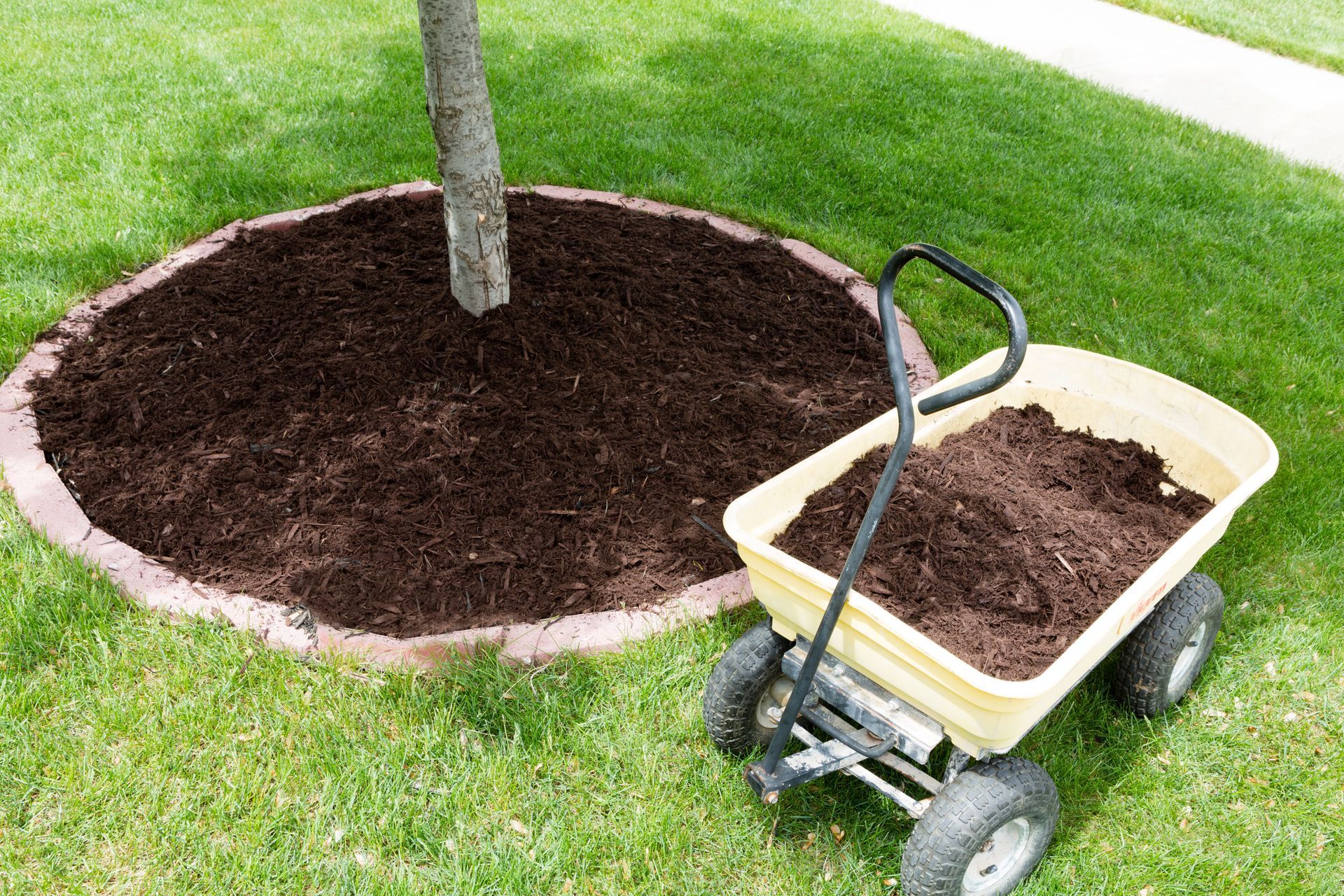
Mulched garden beds provide another relatively simple upgrade. Fresh mulch creates a neat contrast against green foliage, helps retain soil moisture, and gives planting areas a finished appearance. Defining bed edges with clean lines makes the entire yard look more intentional.
Outdoor lighting can extend curb appeal into the evening. Path lights improve visibility, while strategically positioned fixtures can highlight architectural details, specimen trees, or attractive stonework.
How Can Plants and Flowers Enhance Your Home's Exterior?
Plants introduce color, texture, movement, and natural softness that hard surfaces alone cannot provide. Even a relatively simple planting arrangement can make a home feel more inviting when it includes a thoughtful combination of greenery, flowering plants, and seasonal interest.
Evergreen shrubs provide a dependable foundation because they retain their foliage throughout much of the year. Placing them near the home's foundation or along property boundaries creates structure, while deciduous shrubs and flowering perennials introduce changing colors and textures. Combining different plant heights also adds depth, preventing garden beds from appearing flat.
Color coordination deserves attention, too. Flowers that complement the home's exterior can create a more harmonious appearance. White and purple blooms may stand out against darker siding, while warm reds, oranges, and yellows can bring energy to a neutral-colored house. Homeowners do not need dozens of varieties to achieve an attractive result. A limited selection repeated throughout the yard often looks more cohesive than a collection of unrelated plants.
Local growing conditions should guide plant selection. Sunlight exposure, soil drainage, available moisture, and regional climate all influence whether a plant will thrive. Choosing species suited to the property can reduce replacement costs and maintenance requirements. Native plants may be particularly useful because many are adapted to local conditions and can support beneficial insects and other wildlife.
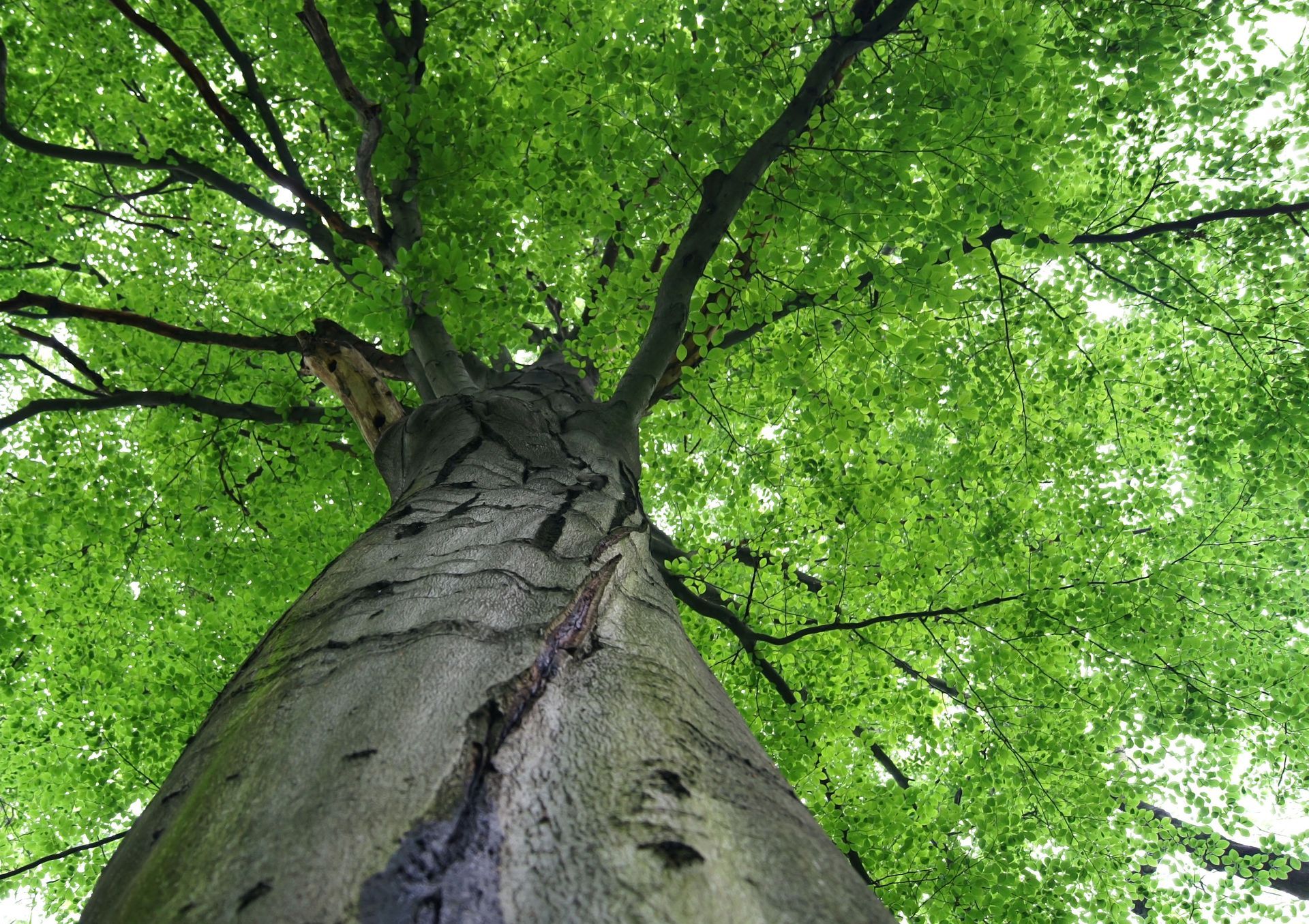
A successful landscape design also considers how plants will mature. Trees and shrubs need adequate room to reach their expected size without blocking windows, damaging walkways, or interfering with overhead utilities. Selecting plants for their mature dimensions helps prevent overcrowding and reduces the need for aggressive pruning later.
Can Landscape Design Increase Your Property Value?
Curb appeal influences how people perceive a property, making landscaping a worthwhile consideration for homeowners planning to sell or simply protect their investment. An attractive exterior can encourage prospective buyers to take a closer look, reinforce the impression that the home has been maintained, and help the property stand out among competing listings.
According to Lawn Love, renovating a yard can increase a home's value by as much as 17%. Although individual results vary, this potential demonstrates why outdoor improvements deserve consideration alongside interior updates. The actual return depends on factors such as local market conditions, the property's starting condition, the quality of the work, and buyer preferences.
Homeowners do not necessarily need expensive installations to make a difference. Improving lawn health, refreshing mulch, pruning existing shrubs, and replacing dead plants can significantly improve the appearance of a neglected yard. These relatively modest projects may offer better value than elaborate additions that require substantial investment but appeal to a narrower group of buyers.
Functional improvements can also contribute to a property's appeal. Clearly defined walkways, attractive entrances, usable outdoor gathering areas, and appropriate lighting help prospective buyers imagine how they might enjoy the property. Well-placed trees can provide shade and privacy, although their benefits depend on their location and condition.
How Can You Maintain an Attractive Landscape Year-Round?
Even the most carefully planned yard needs regular attention to preserve its appearance. Fortunately, consistent maintenance is often more manageable than allowing small problems to develop into larger projects.
Routine lawn care provides a strong foundation. Mowing at an appropriate height, watering according to weather conditions, and addressing bare patches help maintain healthy grass. Edging along driveways, walkways, and garden beds creates clean boundaries that make the entire property look organized.
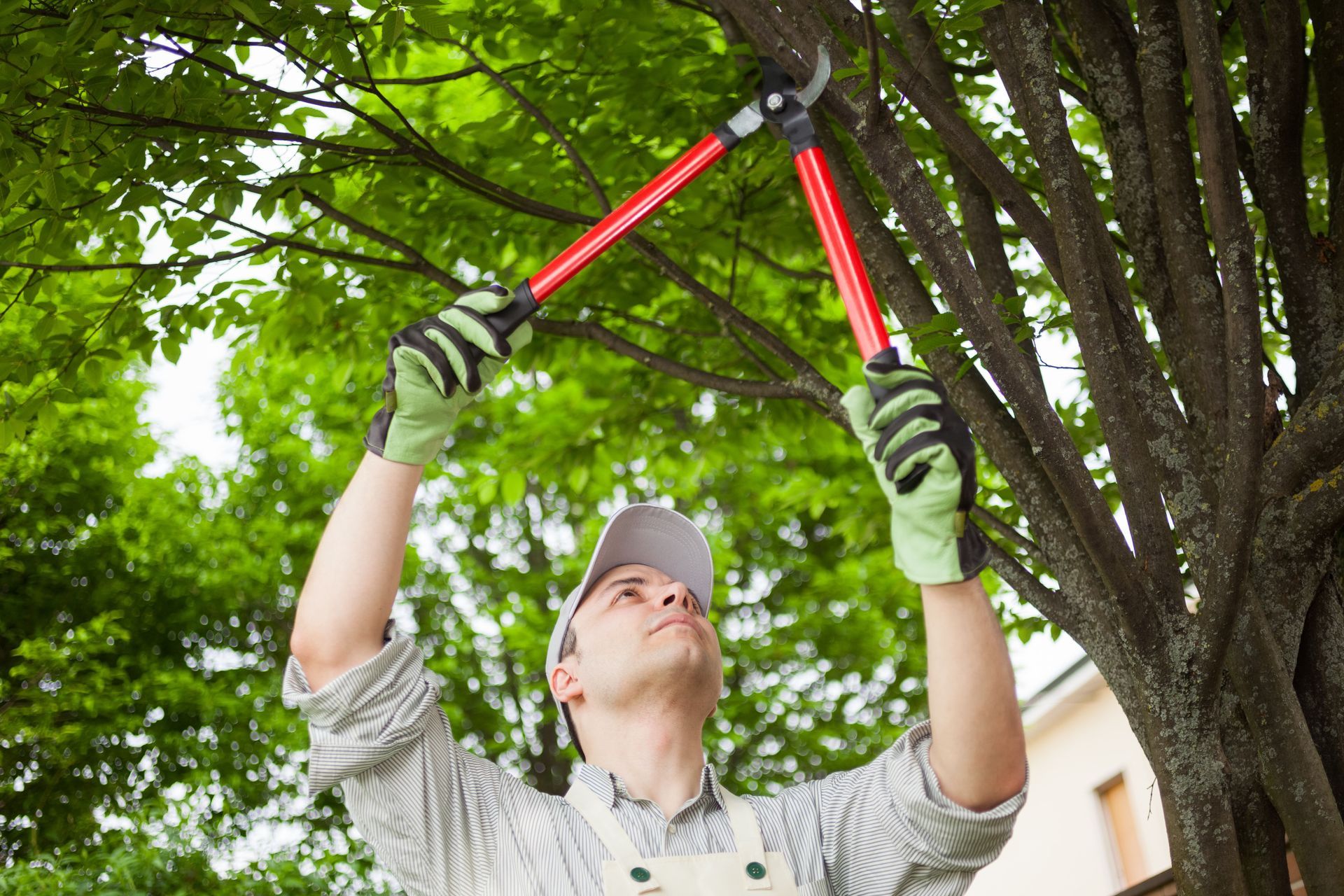
Pruning is equally important. Removing dead branches, trimming overgrown shrubs, and cutting back appropriate plants at the correct time of year helps maintain their shape and encourages healthy growth. However, homeowners should avoid excessive trimming that damages plants or removes flowers before they bloom.
Seasonal cleanup also makes a difference. Spring is a good time to remove winter debris, inspect garden beds, and prepare planting areas. During summer, attention may shift toward watering, weeding, and monitoring plant health. Autumn cleanup can involve collecting leaves, removing spent annuals, and preparing vulnerable plants for colder weather.
In regions with harsh winters, choosing suitable plants and materials is especially important. Hardy shrubs, durable walkways, and appropriately placed evergreens can preserve visual structure when many other plants lose their foliage. Snow removal should also be managed carefully to avoid damaging lawn edges, shrubs, and decorative features.
When planning
landscape design improvements, homeowners should evaluate their property's existing strengths, consider local growing conditions, and establish a realistic maintenance budget. Starting with high-impact areas, such as the front entrance and visible garden beds, can produce meaningful results without unnecessary expense. If you're interested in landscaping, reach out to Trees 'N' Scapes, Inc today!