April 30, 2026
Explore the best trees available for purchase this season, featuring a diverse array of species ideal for landscaping, seasonal decoration, and sustainable gardening practices. This guide will help you select the perfect tree that suits your needs and preferences. Trees play a vital role in enhancing the aesthetic appeal of any landscape while providing environmental benefits such as carbon sequestration and habitat support. As you plan your landscape, consider the dual advantages of beauty and ecological impact that trees offer. By the end of this article, you’ll be equipped with comprehensive knowledge about various tree species and how they can enrich your gardens and outdoor spaces.
Understanding Climate Compatibility
Hardiness Zones
Hardiness zones are essential in understanding where certain tree species will thrive. These zones categorize regions based on climate conditions that best support plant survival, particularly during winter. Choosing a tree suited to your hardiness zone ensures better growth and longevity. The USDA Plant Hardiness Zone Map is commonly used to determine appropriate zones for various plants. By selecting trees compatible with your hardiness zone, you set the stage for a flourishing and sustainable garden.
Temperature Tolerances
Trees vary widely in their ability to tolerate temperature extremes. Some species can withstand scorching summers, while others thrive in frosty climates. Understanding a tree's temperature tolerance is crucial when selecting species for your area. Trees exposed to unfamiliar temperature extremes may experience stress and reduced vitality. Selecting trees equipped to handle local climate conditions will ensure they grow robustly throughout the seasons.
Rainfall Requirements
Rainfall plays a critical role in tree health, influencing growth rates and overall vitality. Different tree species have unique water requirements, some needing substantial rainfall while others thrive in arid conditions. Matching tree species to the typical rainfall in your area prevents issues like waterlogged roots or drought stress. Planting species that align with your local precipitation patterns reduces the need for supplemental watering. This alignment not only supports tree health but also promotes sustainable gardening practices.
Soil Types and pH Levels
Soil characteristics such as type and pH level significantly affect tree growth. Various trees have adapted to thrive in specific soil types, from sandy to clay-rich or loamy compositions. Similarly, pH levels can influence nutrient availability and root function. Before planting, assess your soil's suitability for intended tree species to prevent issues related to poor nutrient uptake. By choosing trees that naturally align with your soil conditions, you enhance their chance of reaching their full growth potential.
Microclimate Considerations
Microclimates, or localized climate zones, can impact tree health and performance in specific areas of your property. Factors such as sunlight exposure, wind patterns, and proximity to structures can create varying microclimates. Understanding these factors helps in the strategic placement of trees to optimize their growth conditions. For instance, a sheltered location next to a building might protect a tree from harsh winds, enhancing both growth and survival. Being mindful of these nuances enables more effective landscape planning.
Deciduous Trees for Seasonal Beauty
Popular Varieties
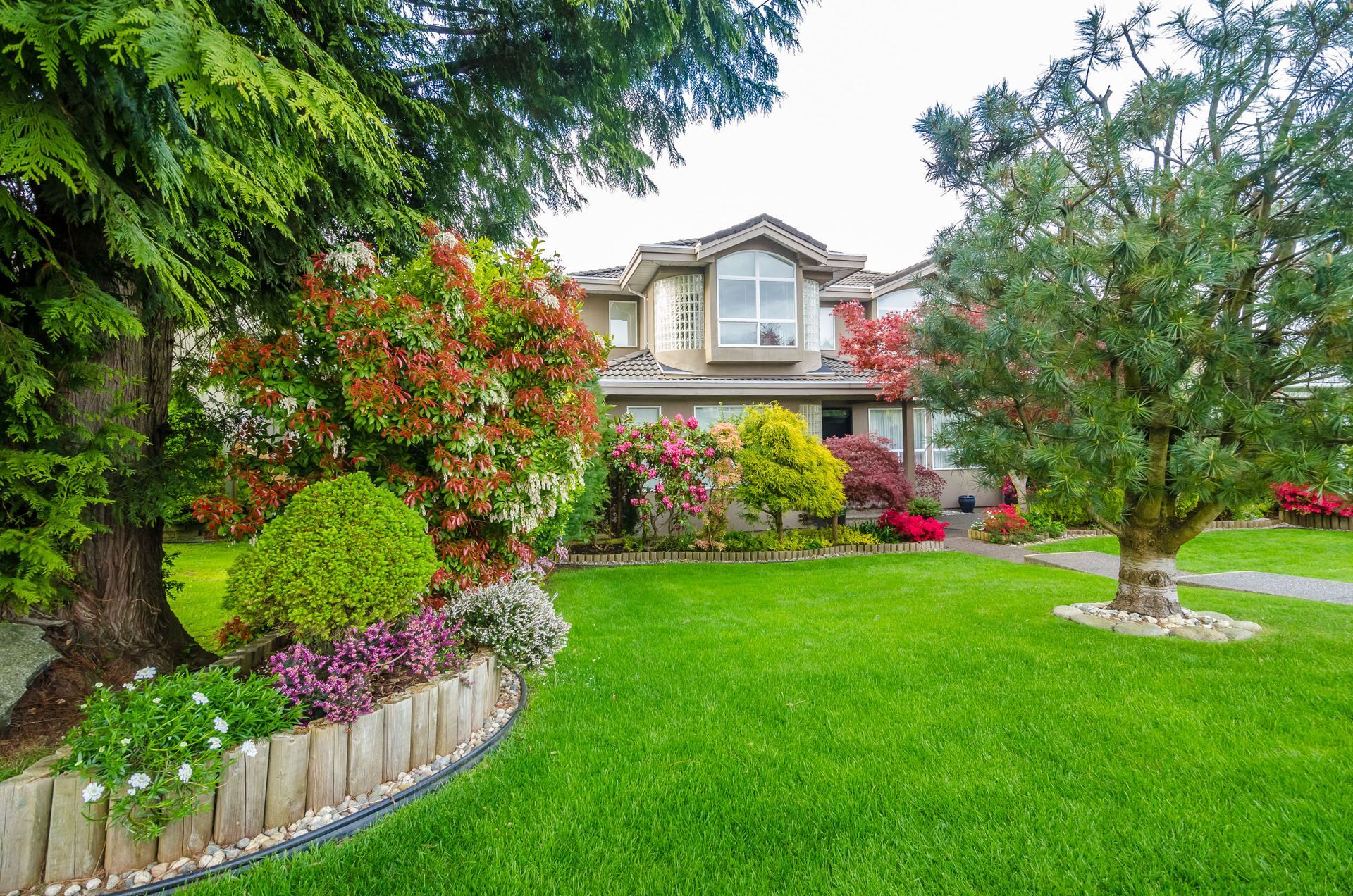
Deciduous trees are popular for their vibrant display of seasonal changes. Varieties like maple, oak, and birch are favorites for their dynamic foliage, transitioning through striking color palettes each autumn. These trees drop leaves in winter but offer stunning blooms in spring, making them appealing for year-round interest. Selecting from these popular varieties can bring diversity and motion to your landscape. Deciduous trees are not only beautiful but also support biodiversity by providing habitats for various fauna.
Autumn Foliage
Autumn is a transformative time for deciduous trees as they showcase breathtaking hues of red, orange, yellow, and purple. This seasonal foliage change is more than an aesthetic delight; it is an ecological cue of entering dormancy. Trees such as the Japanese Maple and Sugar Maple are especially renowned for their vibrant fall colors. By planting trees with notable autumn foliage, your garden can deliver a spectacle each year, drawing admiration from all who visit. Such stunning displays make autumn renowned as a truly superb season in landscapes.
Blossom and Fragrance
In addition to colorful foliage, some deciduous trees offer enchanting blossoms and fragrances during spring. Species like the Magnolias and Cherry Trees are well-known for their spectacular blooms and aromatic presence. These seasonal blossoms attract not just human admirers, but also pollinators like bees and butterflies, enhancing ecological balance. Strategically planting these trees can create a vibrant and fragrant outdoor space that engages the senses. Featuring blossom-rich deciduous trees enhances the sensory appeal of any garden or landscape.
Maintenance and Care
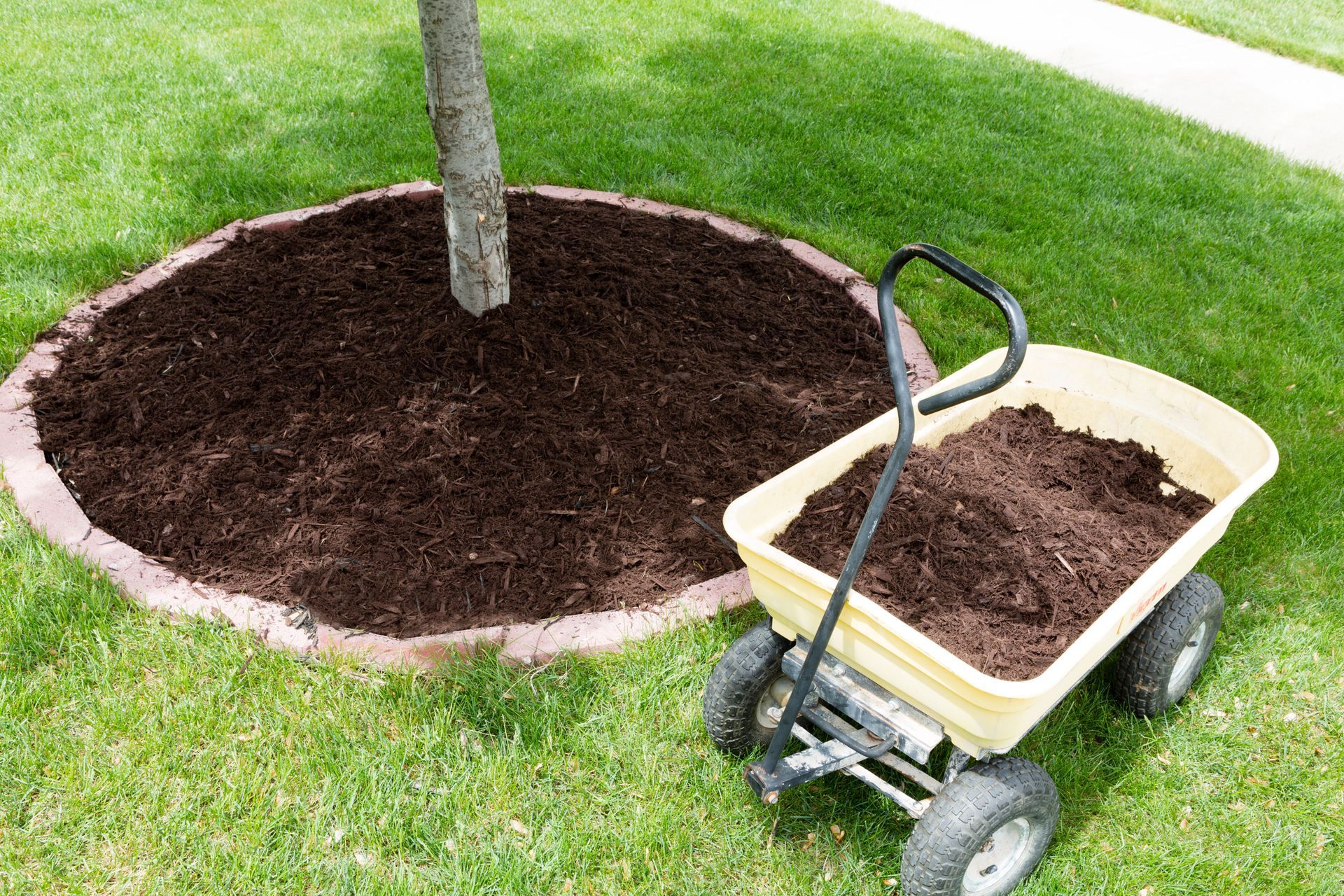
Proper maintenance ensures the health and beauty of deciduous trees, enabling them to sustain healthy growth cycles. Pruning is fundamental, promoting strong structure and removing dead limbs to avoid potential hazards. Regular watering and mulching help retain soil moisture and provide essential nutrients. Protecting your trees from pests and diseases further enhances their resilience. According to Mordor Intelligence, landscape maintenance and management represented 45% of U.S. services revenue in 2024, underscoring the importance of proper tree care.
Environmental Benefits
Deciduous trees confer several ecological benefits beyond mere beauty. As they photosynthesize, they contribute to air purification by absorbing carbon dioxide and releasing oxygen. Their fallen leaves enrich the soil, acting as natural compost that recycles nutrients. Deciduous trees also regulate temperature by providing shade and windbreaks in residential areas. These environmental roles make deciduous trees an invaluable part of urban and rural landscapes alike. Incorporating such trees into your garden can boost its ecological sustainability.
Evergreen Trees for Year-Round Foliage
Choosing the Right Species
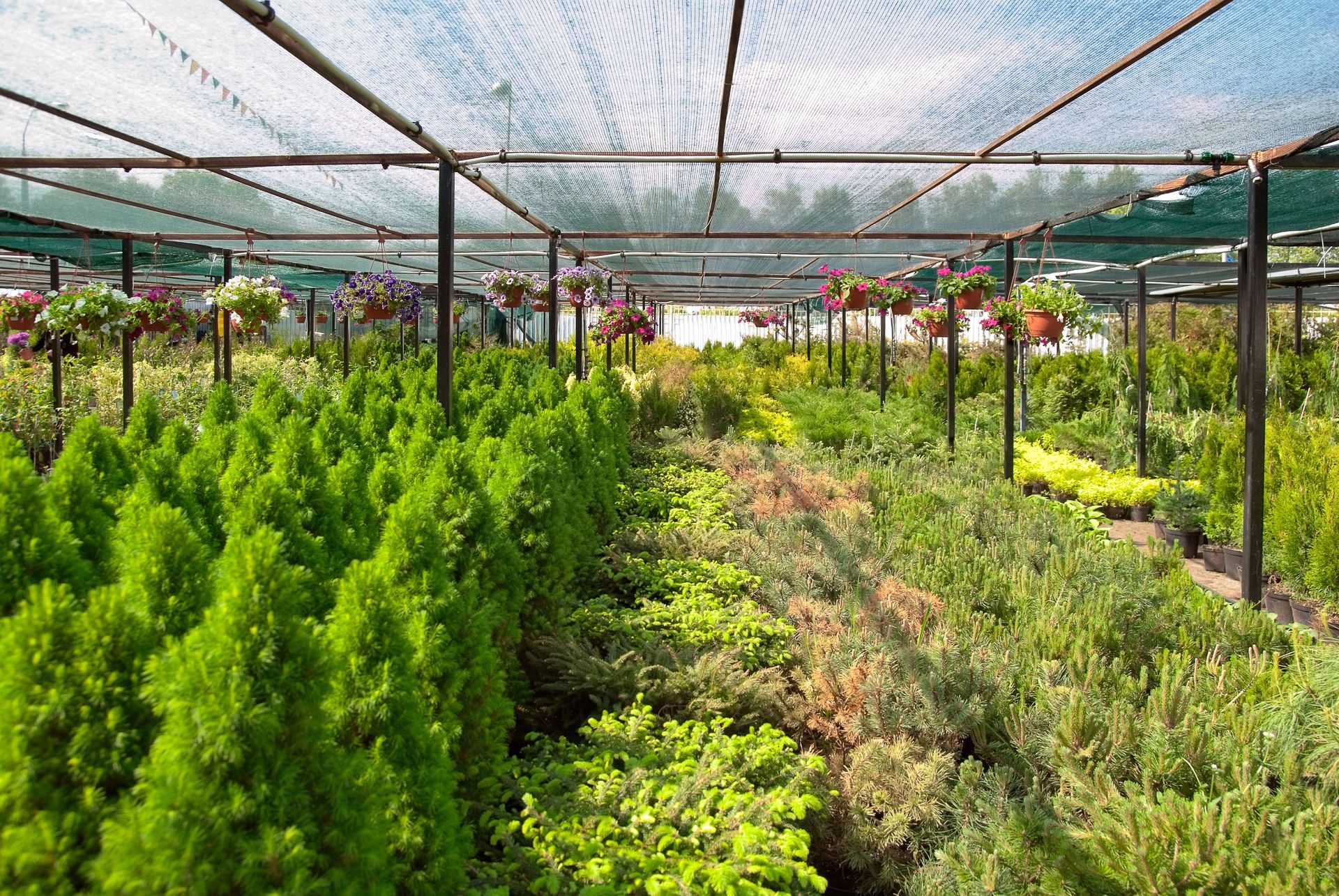
Evergreen trees maintain their foliage throughout the year, providing constant greenery and aesthetic stability. Popular species include pines, spruces, and firs, each offering unique shapes, sizes, and needle types. When selecting evergreen trees, consider the size of your space and desired landscape function. Whether for decorative, privacy, or structural purposes, there's an evergreen suited to every landscape vision. Their versatility makes them a preferred choice for both residential and commercial landscapes.
Winter Resilience
Evergreen trees are renowned for their resilience in harsh winter conditions. Unlike their deciduous counterparts, evergreens retain their leaves, continuing photosynthesis and sustaining growth even when temperatures drop. Species such as the Norway Spruce and White Pine are particularly well-adapted to cold climates. Their ability to thrive in winter provides vital shelter and food sources for wildlife year-round. Investing in evergreens can lend color and life to your landscape during the often glum winter months.
Privacy and Windbreaks
One of the most practical uses of evergreen trees is creating natural privacy screens and windbreaks. Planting rows of evergreens effectively blocks views, noise, and winter winds, enhancing your property's comfort and seclusion. Species like Thuja Green Giant and Leyland Cypress grow densely and tall, ideal for privacy hedges. By strategically positioning these trees, you can create intimate outdoor spaces sheltered from external disturbances. Evergreens offer a natural solution to privacy and weather-related challenges.
Selecting the best tree for your property involves careful consideration of climate compatibility, aesthetic preferences, space constraints, and environmental impact. By understanding the unique qualities of various tree types, you can make informed decisions to enhance your landscape with trees that provide beauty, sustenance, and ecological benefits for many years to come. Trees are not only investments in your property's visual appeal but also in its long-term sustainability and environmental contribution. By integrating diverse tree species, your garden can serve as a beautiful, multi-functional asset that evolves harmoniously with your lifestyle and the natural world. With the knowledge presented herein, you're well-prepared to embark on your journey of tree selection and garden enhancement. Be sure to reach out to Trees 'N' Scapes, Inc today for more information on our professional trees for sale!