May 22, 2026
Choosing trees for a property is less about picking what looks good in a nursery and more about matching long-term performance with real site conditions. Many people start by browsing local trees for sale, but the best results come from understanding climate, soil, and how each tree will function once it is established. When these factors are aligned, trees become an asset instead of a maintenance issue.
This guide breaks down the decision-making process in a practical way so selections feel intentional rather than overwhelming. It focuses on how trees interact with the environment, what to look for in suppliers, and how to ensure successful planting. The goal is to make the process straightforward while still accounting for long-term landscape value.
Understanding The Local Climate Assessing
Climate is the first filter when narrowing down options from local trees for sale. Temperature ranges, seasonal shifts, and humidity levels all determine whether a tree will establish successfully or struggle from the start. Matching species to local conditions reduces risk and improves long-term survival rates.
Hardiness zones are a useful starting point because they define how well a tree can handle winter temperatures. However, they should not be the only consideration. Heat tolerance, wind exposure, and rainfall patterns also play a major role in overall performance.
Seasonal weather patterns can create stress even for well-suited species. Extended droughts, heavy storms, or sudden temperature swings all affect growth stability. Selecting trees with a proven track record in similar conditions helps reduce these risks.
Microclimates within a property can significantly change planting outcomes. Areas near buildings, slopes, or shaded sections often behave differently from open spaces. Paying attention to these differences allows better placement and stronger long-term growth outcomes.
Evaluating Soil Conditions Testing
Soil quality directly affects how well trees establish after planting. Even when selecting from local trees for sale, poor soil conditions can limit nutrient uptake and slow development. Understanding soil characteristics early helps avoid long-term issues. Soil testing provides clear information on pH, nutrients, and composition. These results guide what amendments are needed before planting begins. Without testing, adjustments become reactive instead of planned.
Soil type influences drainage and moisture retention. Sandy soils dry quickly, clay soils hold water longer, and loamy soils tend to provide the most balanced environment. Each type supports different species more effectively. Adjusting pH levels may be necessary depending on test results. Most trees perform best in slightly acidic to neutral soil conditions. Small adjustments before planting can significantly improve nutrient availability and overall health.
Selecting Tree Species Comparing
Species selection determines both the visual outcome and long-term maintenance requirements. Many people browsing local trees for sale focus on appearance first, but adaptability and resilience matter more for long-term success.
Native trees are often the most reliable option because they are already adapted to regional conditions. They typically require less water and fewer inputs, which makes them easier to maintain. They also support local ecosystems more effectively. Non-native species can still be used when they meet environmental requirements. However, they may require additional care during establishment and ongoing maintenance. Understanding these differences helps set realistic expectations.
Growth rate and mature size should be considered early in the decision process. Fast-growing trees provide quicker results but may require more maintenance. Slower-growing varieties often provide stronger structure and longer lifespan. According to Mordor Intelligence, residential landscaping demand in the United States is largely driven by homeowners, representing about 61% of total activity. This reflects a growing focus on outdoor spaces and helps explain the rising interest in well-planned selections from local trees for sale.
Assessing Tree Functionality Planning
Trees serve practical purposes beyond appearance, and these functions should guide selection decisions. When evaluating local trees for sale, it helps to think in terms of shade, protection, and environmental contribution rather than just aesthetics. Shade is one of the most valuable benefits, especially in residential environments. Proper placement can reduce heat exposure around homes and outdoor areas, improving comfort and energy efficiency. Wind reduction is another functional advantage that improves property protection.
Fruit and nut trees add productivity to the landscape. They require more maintenance but provide long-term returns in usable yield. Selecting varieties suited to climate and space ensures better performance. Wildlife support is another important function. Trees provide shelter and food sources for birds and beneficial insects. This helps create a more balanced and sustainable outdoor environment. Environmental contributions also matter at a broader level. Trees improve air quality, reduce runoff, and support carbon absorption. These benefits extend beyond individual properties and contribute to overall ecological health.
Sourcing Local Trees for Sale Partnering
Where trees are purchased has a direct impact on long-term success. When exploring local trees for sale, working with reputable nurseries reduces risk and improves plant quality from the beginning. Nursery reputation is a strong indicator of reliability. Reviews, customer feedback, and on-site visits help assess how well plants are maintained. Healthy stock usually shows strong structure and consistent growth patterns. Certification and professional standards also matter. Nurseries that follow industry guidelines are more likely to provide properly grown and handled trees. This improves transplant success and reduces early failure rates.
Price should always be evaluated alongside quality. Lower cost does not always mean better value if long-term survival is compromised. Guarantees and replacement policies can add additional protection to the investment. Customer support is also important during selection. Guidance from knowledgeable staff can help match the right species to specific site conditions. This is especially useful when working with multiple options from local trees for sale.
Preparing Planting Sites Installing
Site preparation is a critical step that directly affects establishment success. Even high-quality selections from local trees for sale can fail if planting conditions are not properly prepared. Clearing the area of weeds, debris, and compacted soil reduces competition for resources. This allows roots to expand more easily and access nutrients efficiently. Proper soil preparation creates a stronger foundation for growth.
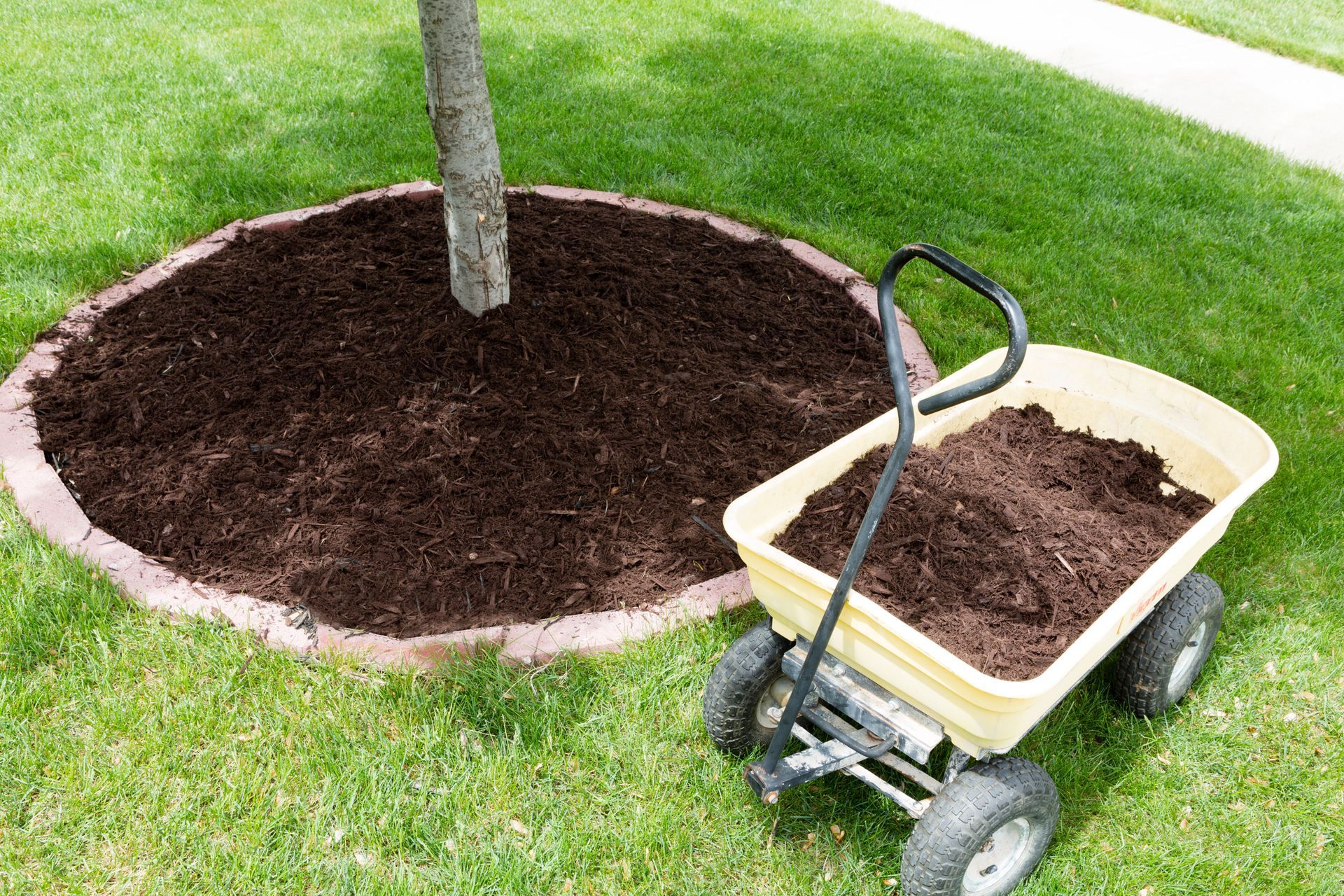
Spacing and placement should reflect mature tree size rather than current size. Overcrowding can lead to long-term structural issues and reduced health. Careful planning at this stage prevents future maintenance problems. Watering after planting helps settle soil and eliminate air pockets around roots. This supports early root development and reduces transplant stress. Mulching further improves moisture retention and temperature stability.
Maintaining Trees Supporting
Ongoing care determines how well trees perform after establishment. Even carefully selected local trees for sale require monitoring to ensure long-term health and stability. Regular watering schedules are especially important during early growth stages. Consistency helps roots establish deeper and more resilient systems. Adjustments may be needed based on seasonal conditions. Pruning supports structure and removes damaged or weak branches. This improves airflow and reduces the risk of disease. Proper timing is important to avoid stressing the tree.
Monitoring for pests and nutrient deficiencies helps prevent long-term damage. Early intervention is more effective than corrective treatment after issues spread. Long-term maintenance also includes periodic soil evaluation and fertilization adjustments. These steps help sustain healthy growth and maintain landscape quality over time.
Choosing trees successfully requires balancing environmental conditions, soil health, species characteristics, and sourcing quality. When these factors are aligned, selections from local trees for sale become long-term assets rather than short-term landscaping choices. A structured approach ensures better growth, reduced maintenance challenges, and improved landscape performance overall. Contact Trees 'N' Scapes, Inc. to get started with selecting the right trees for your property today.