January 30, 2026
Planting trees on private property is rapidly gaining attention due to its multifaceted benefits. When considering such an addition to your landscape, visiting a local tree nursery is often the first step toward a successful long-term investment. Choosing the right species and ensuring the health of the sapling from the start ensures that your property will reap these rewards for decades to come. By selecting high-quality stock from a reputable tree nursery, you set the foundation for a healthier ecosystem right in your backyard. This investment pays dividends not just in beauty, but in the very air you breathe and the value of the land you own.
Improve Local Air Quality
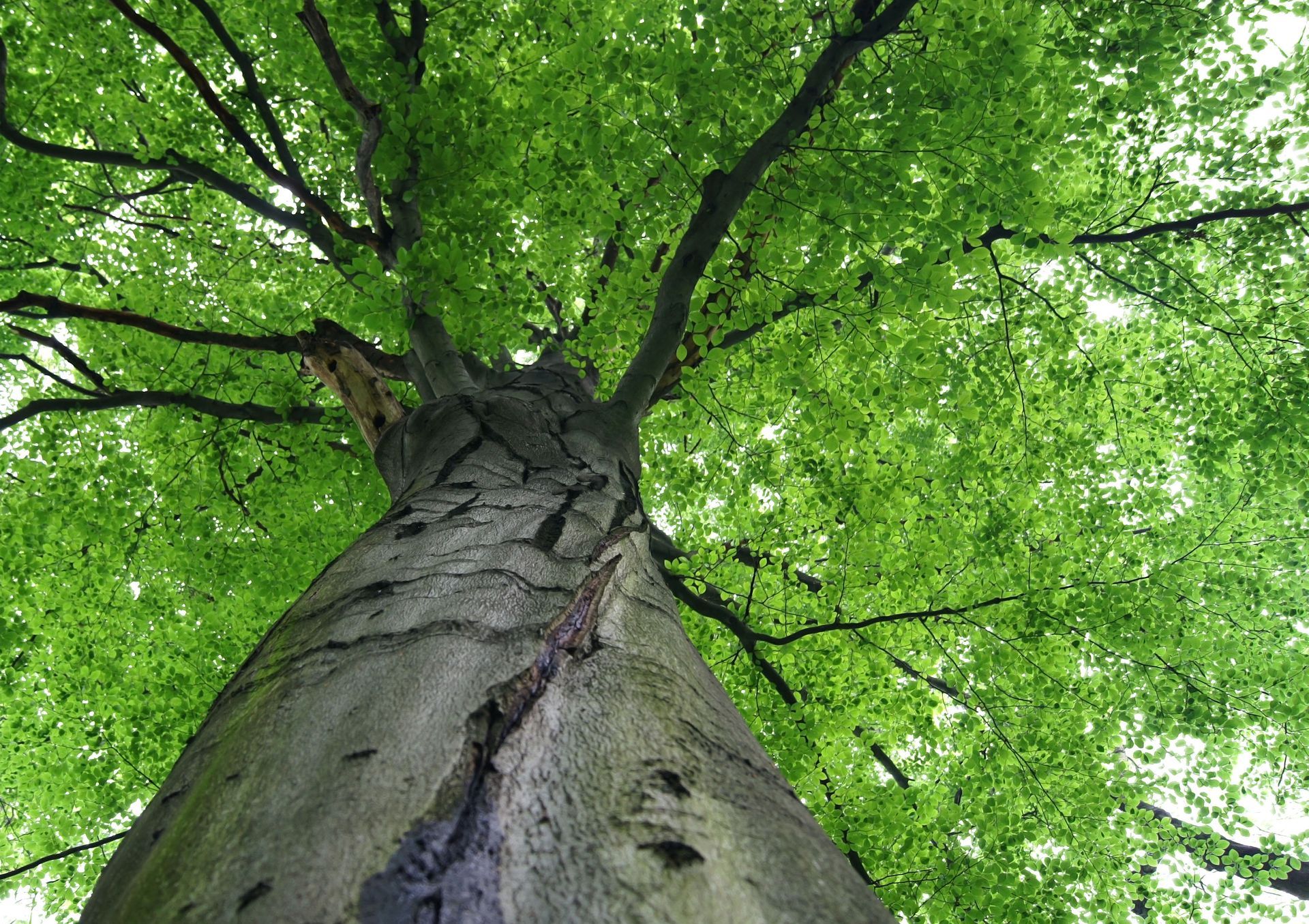
Trees play a crucial role in filtering pollutants and particulates from the air, significantly improving air quality. As urban areas grow, pollution becomes a more pressing issue, making trees an invaluable resource for city dwellers. They absorb gases like carbon dioxide and sulfur dioxide while releasing oxygen, which makes the air fresher and healthier. Furthermore, the leaves and bark trap particulates, preventing them from entering our respiratory systems. The cumulative effect of trees in urban environments can lead to a noticeable reduction in air pollution, contributing to better health outcomes for residents.
The impact of trees on air quality is particularly important in areas with high vehicle emissions. Trees positioned along roadways and urban centers help mitigate the adverse effects of pollutants emitted by cars and industries. Many homeowners are now visiting a tree nursery to find species specifically known for their high pollution-tolerance to plant as natural buffers. They serve as natural air purifiers, ensuring that city residents breathe cleaner air throughout the year. By acting as natural air filters, trees can reduce the incidence of respiratory diseases and conditions related to air pollution. This is a vital public health benefit, encouraging urban planners to incorporate more tree planting projects in cityscapes.
Enhance Regional Biological Diversity
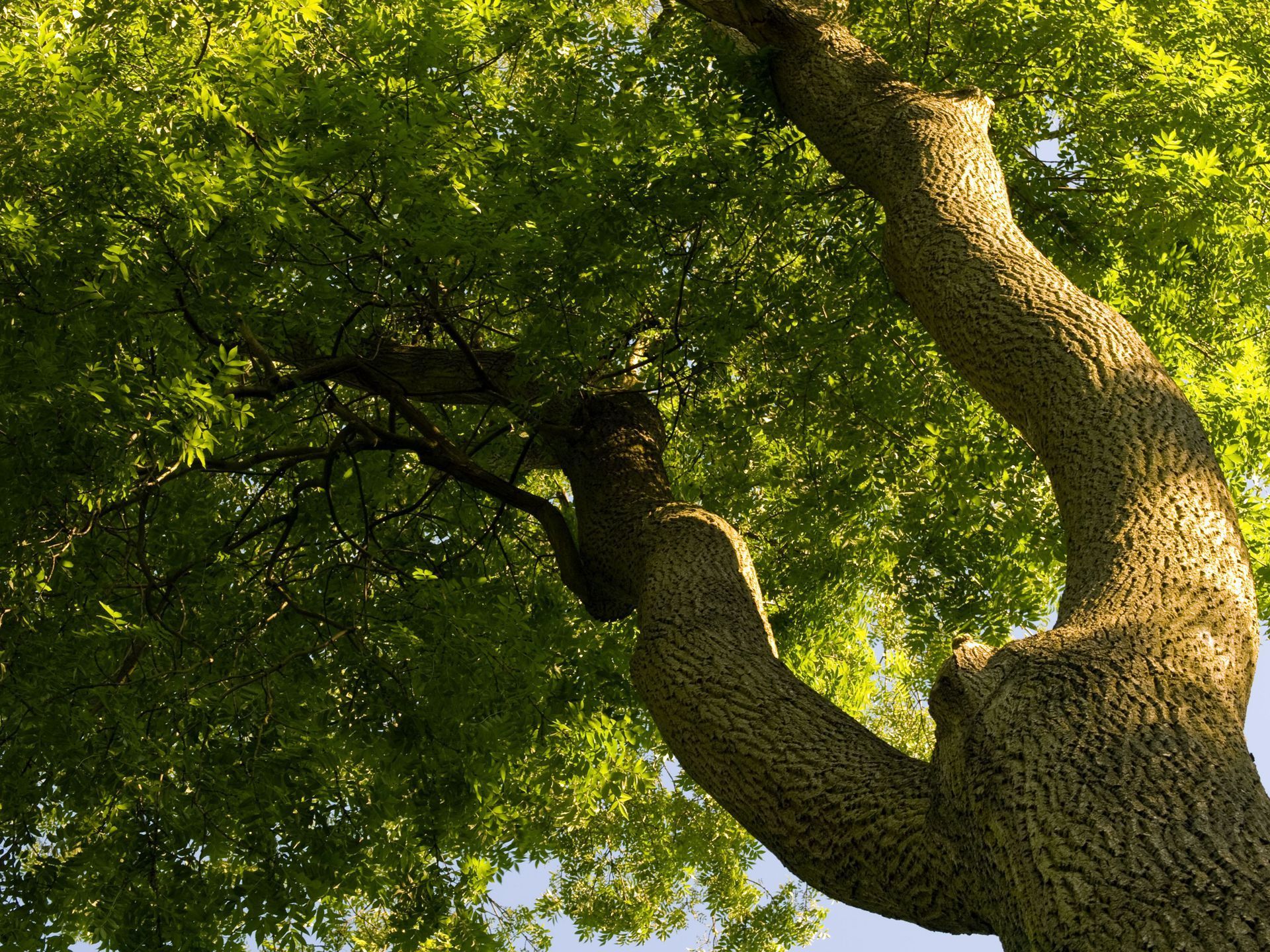
Trees serve as critical habitats for a wide range of species, enhancing biodiversity. In urban and suburban settings, trees provide refuge for birds, insects, and small mammals, offering them food and shelter. This diversity of life forms enriches the ecosystem, contributing to its stability and resilience. By attracting pollinators and other organisms, trees play a vital role in maintaining the health of the environment. The presence of diverse species also encourages a balanced ecosystem, which is less susceptible to disease outbreaks and ecological disturbances.
The structural complexity of trees supports various life forms at different levels, from the roots to the canopy. This vertical stratification creates niche environments conducive to species not found elsewhere, a fact particularly beneficial in urban areas with limited green spaces. The presence of trees supports biodiversity by forming interconnected habitats that facilitate the movement and survival of various species. This connectivity is essential for maintaining healthy populations of flora and fauna, which in turn helps preserve ecological functions like pollination and pest control.
Increase Total Property Value
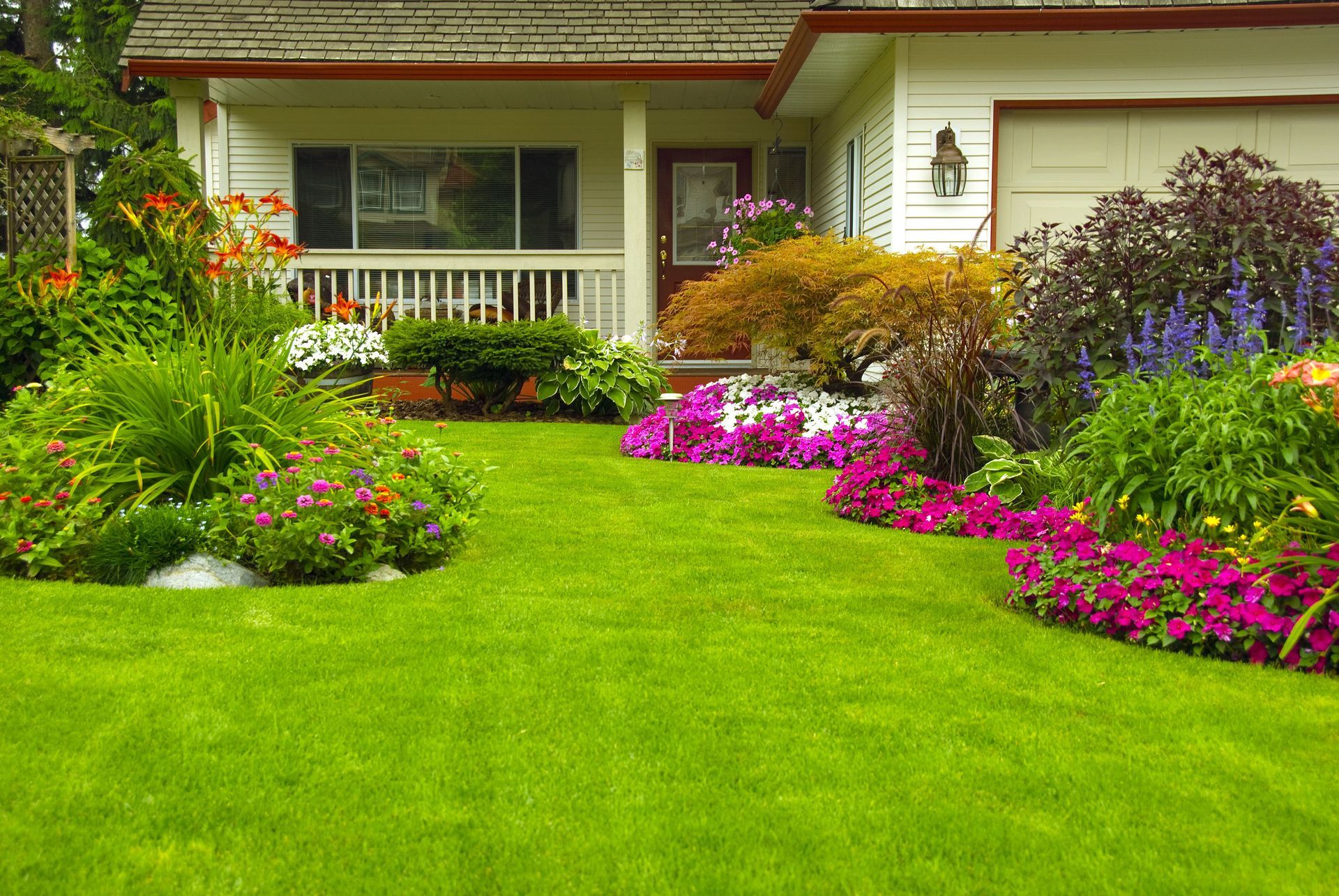
Planting trees on your property can result in a significant increase in property value, offering compelling economic incentives. For those looking to source the perfect specimen, visiting a local tree nursery can help you find trees that provide the best aesthetic and structural value. According to Realtor.com, the addition of large trees to a landscape has the potential to elevate the market value of a home by a margin of 3% to 15%. This increase is primarily due to the aesthetic appeal and environmental benefits that trees bring to a property, making it a wise financial move.
Trees enhance curb appeal by adding beauty and character to a property. This visual enhancement is not only limited to individual homes but also contributes to a more attractive neighborhood landscape. Well-maintained tree-lined streets are especially desirable in suburban and urban settings, where they offer residents a respite from the concrete landscape. In effect, the presence of trees can create an ambiance that feels more inviting and exclusive, leading to increased demand and, consequently, higher property prices in these areas.
Maintain Low Landscaping Expenses
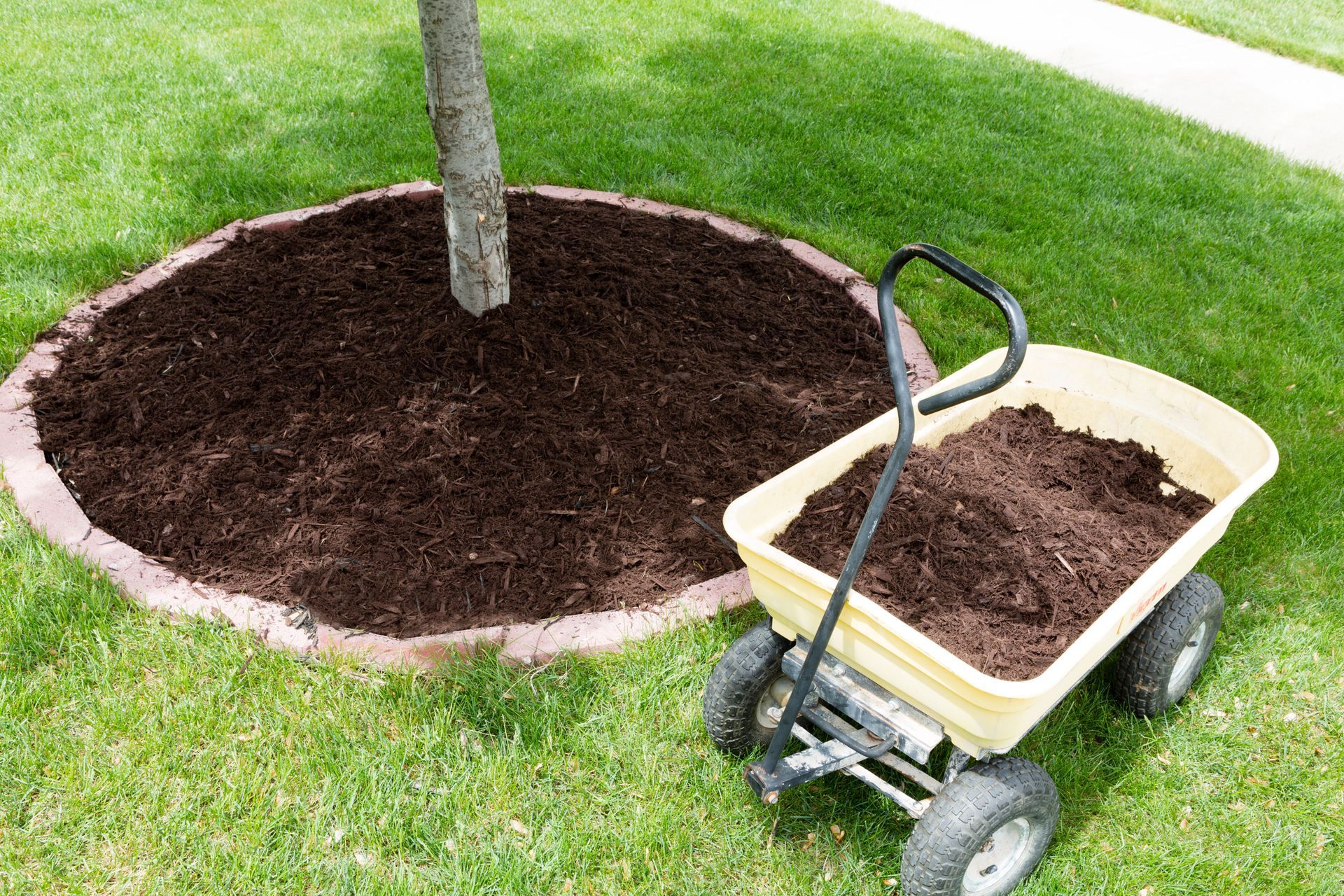
Compared to other landscaping elements, trees often incur lower long-term maintenance costs, making them an economically viable option for property owners. Basic tree care involves activities such as occasional pruning, mulching, and monitoring for pests or diseases. Once established, mature trees require minimal intervention compared to high-maintenance landscaping elements like lawns or ornamental plants. When you purchase from a high-end tree nursery, you often receive guidance on low-maintenance species that are native to your specific climate, further reducing future costs.
Furthermore, tree maintenance practices contribute to their health and longevity, maximizing the return on investment property owners can expect. Regular inspections enable the early detection of potential issues, allowing for cost-effective preventive measures. This proactive approach not only safeguards trees' ecological and economic contributions but also obviates the need for costly interventions, such as tree removal or extensive rehabilitation. By prioritizing appropriate tree care, property owners can extend the long life of trees in their landscapes, preserving economic advantages over time.
Boost General Aesthetic Appeal
Trees enhance the visual landscapes by adding natural beauty and splendor, which benefits communities through increased satisfaction and pride. Their presence transforms barren or monotonous areas into vibrant spaces, creating a sense of harmony and balance. Residents are drawn to the calming and inviting atmosphere that trees provide, fostering a stronger community connection and identity. Public spaces adorned with trees encourage individuals to engage in outdoor activities, supporting physical health and social interactions. As a result, tree-rich environments contribute to aesthetic appeal, enhancing residents' quality of life.
Trees also provide seasonal beauty, marking the changing of the seasons and adding to the overall charm of an area. From the vibrant colors of autumn foliage to the blossoming floral displays of spring, trees create an ever-changing canvas for communities to enjoy. This seasonal interplay reinforces residents' connections to the natural world and encourages appreciation for the environment. By fostering a deep-seated appreciation for aesthetics and nature, trees contribute to the development of environmentally-friendly behaviors and attitudes within communities, often starting with a simple trip to a tree nursery.
Foster Better Community Health
The presence of trees in a community contributes to both mental and physical health improvement for its residents. Access to green spaces and wooded areas encourages outdoor activities and exercise, promoting physical well-being and reducing the risk of lifestyle-related diseases. These natural environments provide a safe space for walking, cycling, jogging, and other recreational activities, accommodating people of all ages and abilities. Furthermore, the presence of trees has been shown to reduce stress, anxiety, and depression by fostering tranquility and relaxation. In essence, trees serve as natural wellness resources.
The influence of trees on health is significant during times of pandemic and public health crises, when access to safe outdoor spaces becomes vital. Communities that have invested in greenery through a local tree nursery provide residents with essential outlets for mental health recovery and socially distanced interaction. As urban populations continue to grow, the preservation and expansion of urban forests remain a critical priority for public health officials and city planners. Trees are not just a luxury; they are a fundamental component of a healthy, functioning society that supports the well-being of every individual.
Whether you are looking to create a private sanctuary, reduce your carbon footprint, or simply improve your home's marketability, trees offer a solution that is both natural and effective. The social and health benefits further underscore the importance of integrating nature into our everyday living spaces. By choosing to source your saplings from a professional tree nursery , you ensure that the specimens you plant are hardy, healthy, and suited for your specific soil conditions. Contact us at Trees 'N' Scapes, Inc today to start your next landscaping project!